Key takeaways
- Read the whole body, not just the tail.
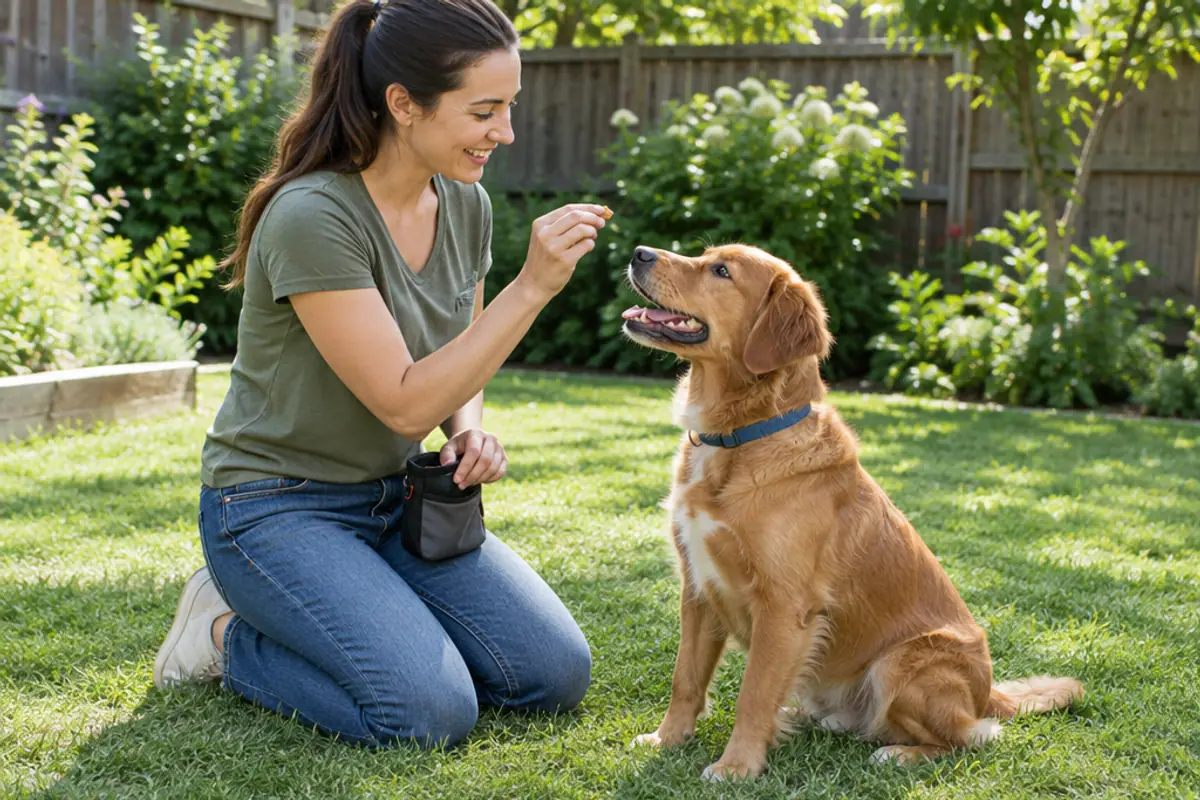
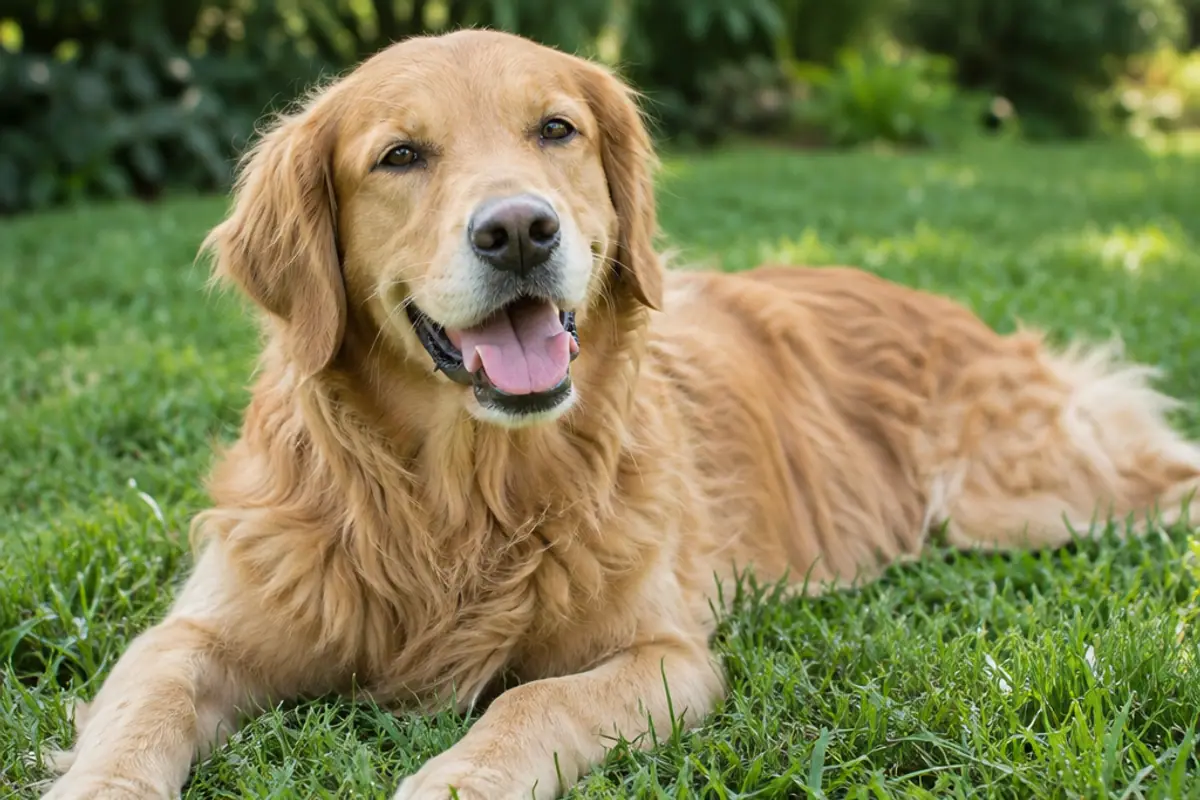
- A relaxed dog has soft eyes, a loose mouth and a wiggly body.
- Subtle stress signs: lip licking, yawning, turning away, whale eye, freezing.
- A wagging tail doesn't always mean a happy dog.
Dogs communicate constantly — mostly with their bodies. Learning to read these signals helps you understand what your dog is feeling, prevent bites and build a stronger relationship.
Always look at the whole picture
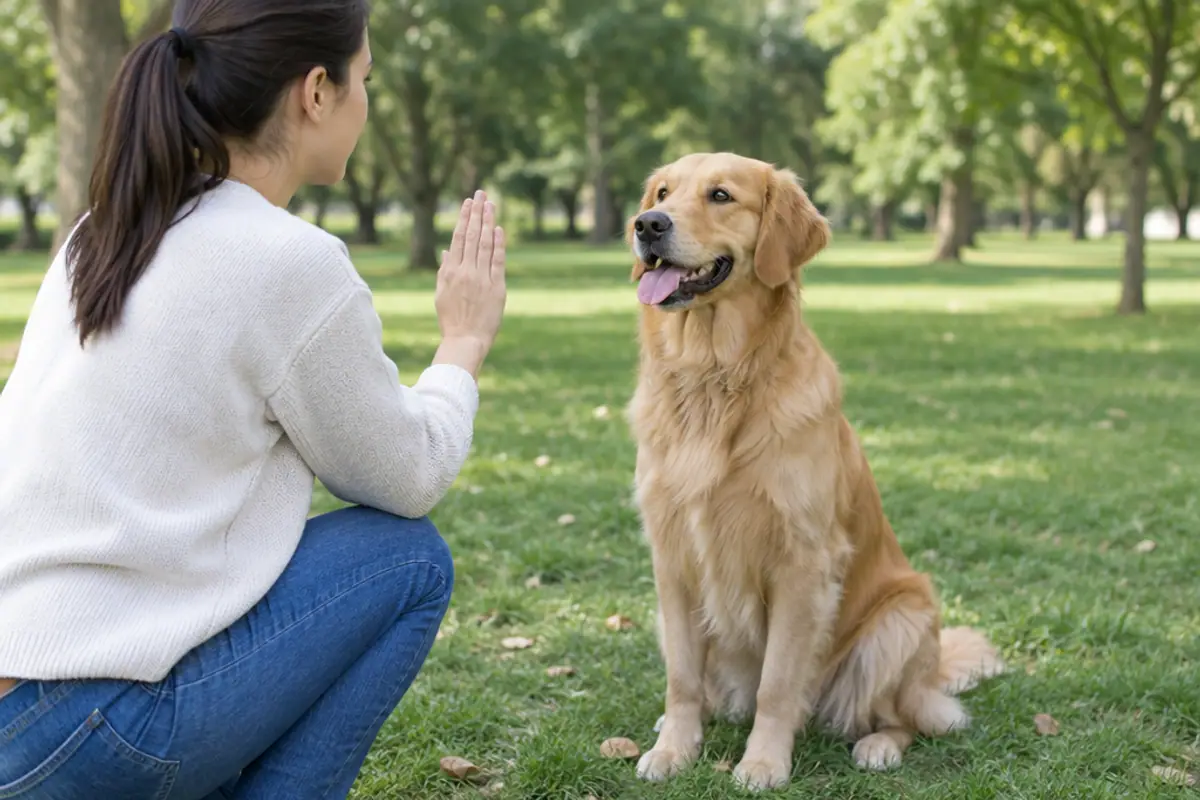
One signal on its own doesn't tell you much. Look at the ears, eyes, mouth, body, tail and the situation together.
Relaxed and happy
- Body: loose, wiggly, weight evenly distributed
- Face: soft eyes (normal shape, may squint slightly), relaxed or open mouth, maybe a "smile" with tongue out
- Ears: natural position for the breed
- Tail: neutral position, loose wag — often a whole-body or circular wag
Playful
- Play bow: front end down, rear up
- Bouncy, exaggerated movements
- Taking turns chasing and being chased
- Open, relaxed mouth; soft play growls can be normal
Healthy play has pauses and role reversals. If one dog is always pinned or trying to escape, interrupt.
Alert or interested
- Ears forward, eyes focused
- Mouth closed
- Weight slightly forward
- Tail raised, possibly still or slowly wagging
Stressed, anxious or uncomfortable
These are the signs many owners miss:
- Lip licking or tongue flicks (when there's no food around)
- Yawning (when not tired)
- Turning the head or body away
- "Whale eye" — showing the whites of the eyes
- Ears pulled back or flat
- Tail low or tucked
- Panting when not hot or exercised
- Shaking off like after a bath (when dry) — often after a stressful moment
- Sniffing the ground suddenly, or scratching
- Raised paw
- Slow movement or freezing
If you see these, give your dog space or remove it from the situation.
Fearful
- Crouching, body lowered, weight shifted backward
- Tail tucked between the legs
- Ears flat
- Trying to hide or escape
- Trembling
- Rolling over and urinating (appeasement)
Don't force a fearful dog to "face its fears." Let it retreat and build confidence gradually.
Warning — back off
- Freezing or becoming very still
- Hard, direct stare
- Stiff body, weight forward
- Hackles up (raised fur on the back — this means arousal, not necessarily aggression)
- Lip lift, showing teeth, growling
- Tail held high and stiff, possibly quick "flagging" wag
See dog aggression and never punish growling.
What about the tail?
A wagging tail means emotional arousal, not necessarily happiness. A loose, wide wag at mid height usually signals friendliness. A high, stiff, fast wag can signal arousal or tension. Research even suggests dogs wag more to the right when feeling positive and more to the left when feeling negative — but that's hard to read in real time!
Teach children to read dogs
Children are most at risk of bites, often from familiar dogs. Teach kids to spot "I need space" signals: turning away, lip licking, yawning, whale eye, freezing and growling. See best family dogs for safety rules.