Key takeaways
- The best family dogs are patient, sturdy, tolerant of noise and handling, and not overly protective.
- Classic picks: Labrador, Golden Retriever, Cavalier, Beagle, Boxer, Bichon, Poodle, Havanese.
- Tiny, fragile breeds are often better for families with older kids.
- No dog should be left unsupervised with young children — supervision and teaching kids matter more than breed.
A great family dog is gentle, patient and resilient — able to cope with noise, sudden movements and the chaos of family life. Here are the breeds most often recommended for households with children, plus how to set everyone up for success.
What makes a good family dog?
- Tolerant and even-tempered — not easily startled or irritated
- Sturdy enough not to be injured by a clumsy hug or a dropped toy
- Playful but not overwhelming in size and energy for your kids' ages
- Social rather than highly protective or aloof
- Trainable, so the dog learns household rules quickly
10 of the best family breeds
- Labrador Retriever — friendly, playful and robust. Needs lots of exercise and training so it doesn't bowl kids over.
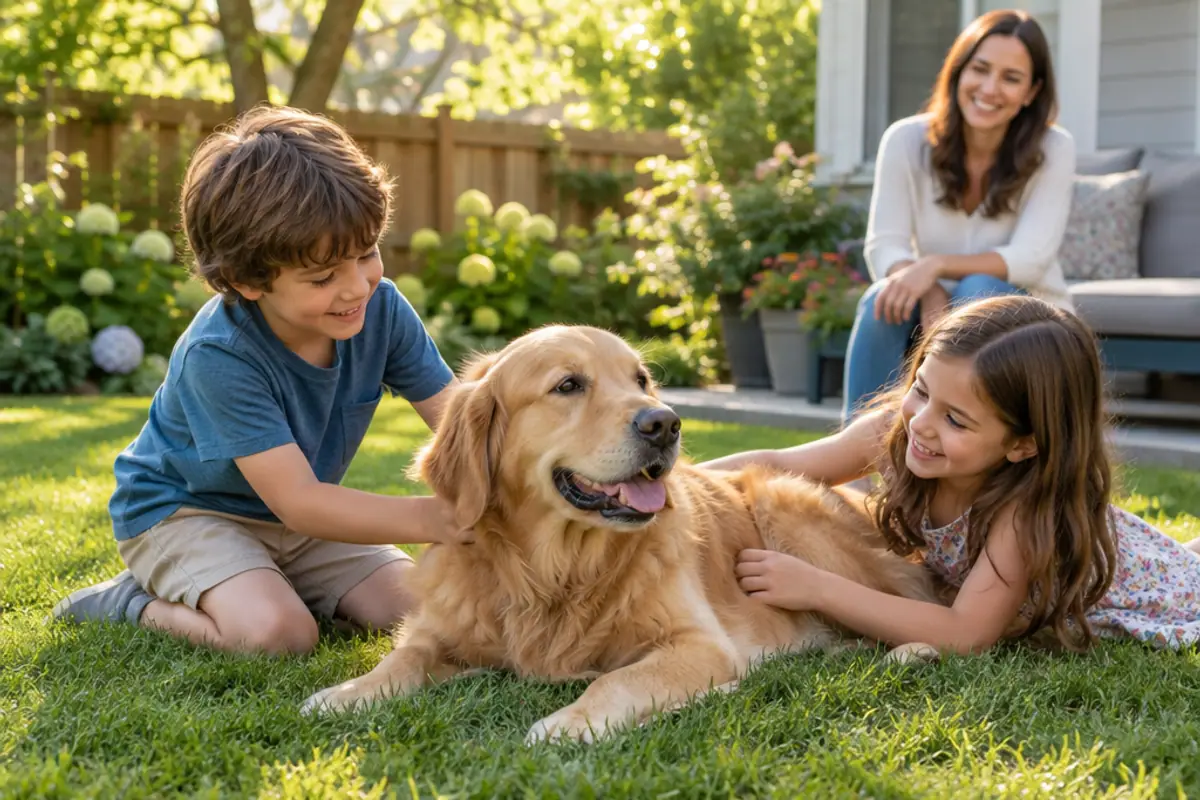
- Golden Retriever — gentle, patient and famously good with children.
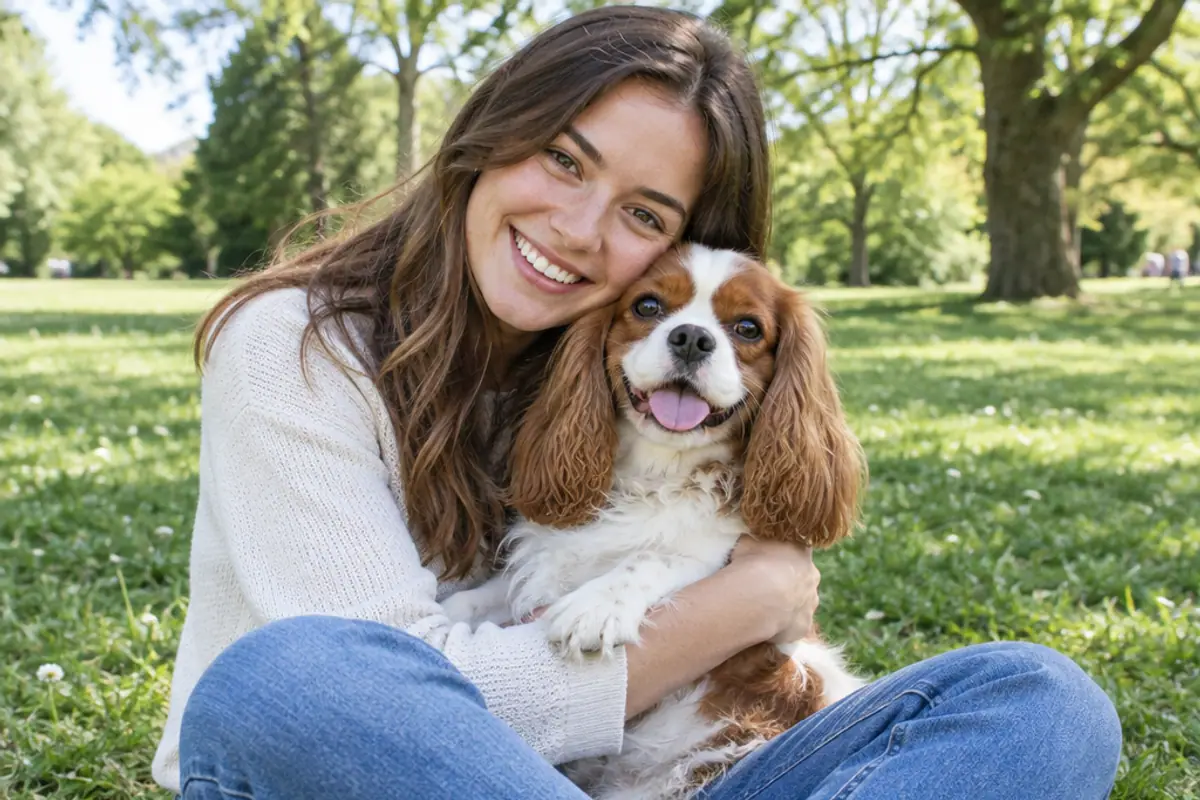
- Cavalier King Charles Spaniel — affectionate and gentle; ideal for families who want a small dog.
- Beagle — merry, sociable and sturdy; loves active kids. Noisy, and needs a secure yard.
- Boxer — playful, protective and patient; best with older kids because of its bounciness.
- Bichon Frise — cheerful, gentle and low-shedding.
- Poodle — Standard Poodles in particular are smart, sturdy and gentle family dogs.
- Havanese — affectionate, playful and adaptable.
- Bernese Mountain Dog — a calm, gentle giant, though with a short lifespan.
- Boston Terrier — compact, friendly and fun for all ages.
Adult rescue dogs with a known history around children are another excellent choice. Many foster-based rescues can tell you exactly how a dog reacts to kids.
Consider your children's ages
- Babies and toddlers: a calm, adult dog is usually easier than a puppy. Toy breeds can be injured and may snap in self-defense.
- School-age kids (6–12): can help with feeding, training and walks under supervision.
- Teens: can take on more responsibility, including training classes.
Safety rules for kids and dogs
Most dog bites to children come from a familiar dog — often the family's own. Never leave young children alone with any dog, no matter how gentle.
Teach children to:
- Let the dog come to them, and stroke the chest or side rather than the top of the head.
- Never hug, kiss, climb on or corner a dog.
- Leave the dog alone when it's eating, sleeping or chewing.
- Recognize "leave me alone" signals: yawning, lip licking, turning away, showing the whites of the eyes, stiffening. See dog body language.
Give your dog a safe retreat — a crate or bed in a quiet area where kids aren't allowed to follow. Read introducing a dog to kids and pets and dogs, kids and cats.