Key takeaways
- Go slowly and let the dog choose to approach.
- Introduce dogs on neutral ground, on leash, with a walk side by side.
- Use barriers (gates, crates) for dog–cat introductions and progress over days or weeks.
- Always supervise dogs and young kids together.
First impressions matter. A calm, structured introduction helps your new dog build good relationships with children and other pets from the start.
Introducing your dog to children
Before the dog arrives
Teach kids the rules:
- Stay calm and quiet around the new dog.
- Let the dog come to you — don't chase or corner it.
- Pet gently on the side or chest, not the head or tail.
- No hugging, kissing, lifting or climbing on the dog.
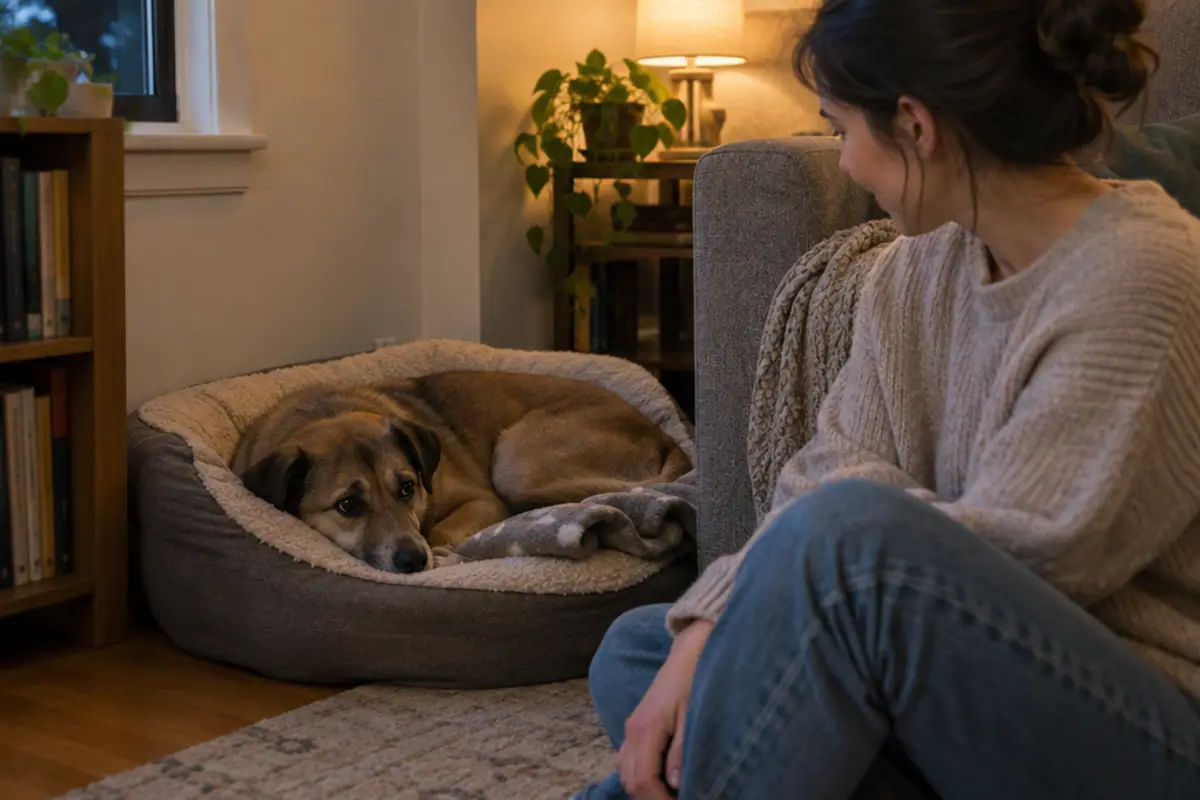
- Leave the dog alone when it's eating, sleeping or in its bed or crate.
The first meeting
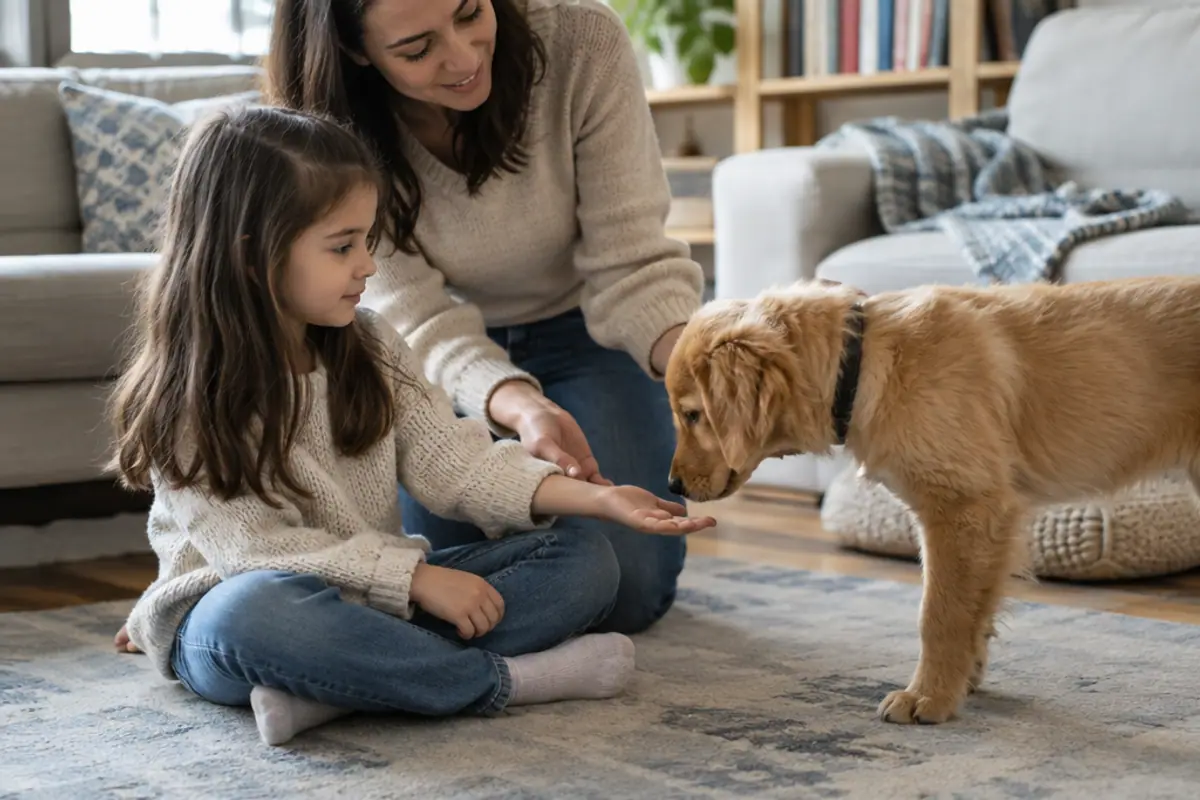
- Have children sit on the floor or on a sofa.
- Let the dog approach in its own time. Kids can offer a treat on a flat hand or toss it gently.
- Keep the meeting short — a few minutes — and end on a positive note.
- Repeat short, pleasant interactions over the following days.
Watch for signs of stress: yawning, lip licking, turning away, whale eye (whites of the eyes showing), tucked tail, freezing. If you see them, calmly give the dog space. See dog body language.
Never leave babies or young children alone with any dog — even for a moment. Use gates and crates to separate them when you can't actively supervise.
Introducing your new dog to your resident dog
- Meet on neutral ground — a quiet street or park, not your home or yard.
- Two handlers, loose leashes. Walk the dogs in parallel with some distance between them. Gradually close the gap as they relax.
- Allow a brief sniff (3–5 seconds), then call them apart with a happy voice and treats. Repeat.
- Go home together, ideally with the resident dog entering first.
- Remove triggers at first: pick up toys, chews and food bowls to prevent guarding. Feed dogs separately.
- Give each dog its own space and plenty of one-on-one time with you.
- Supervise interactions for the first few weeks. Use gates to give breaks.
Good signs: loose, wiggly bodies, play bows, taking turns in play. Worrying signs: stiff bodies, hard staring, raised hackles, growling that escalates. If you're concerned, ask a qualified trainer for help.
Introducing your dog to a cat
Dog–cat introductions usually take days to weeks. Rushing is the most common mistake.
- Separate spaces first. Keep the cat in a room with its litter box, food and hiding places. Let the dog and cat smell each other through the door.
- Swap scents. Rub a cloth on each pet and put it near the other's bed or food.
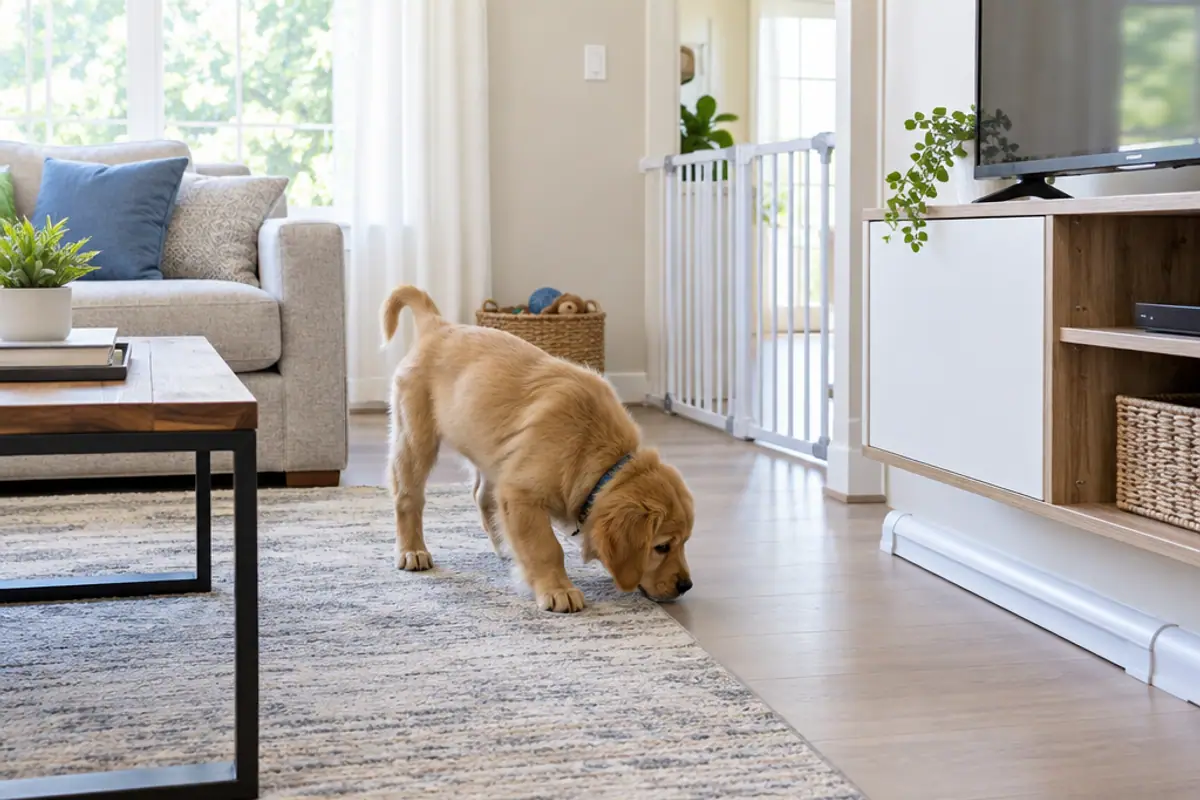
- Visual contact through a barrier. Use a baby gate or cracked door. Reward your dog for looking at the cat calmly and then looking back at you.
- Leashed meetings. Keep your dog on a leash in the same room while the cat can move freely and escape upward. Keep sessions short.
- Gradual freedom. Only when the dog reliably ignores the cat should you allow supervised off-leash time.
Always give the cat escape routes — cat trees, shelves and gated rooms where the dog can't go. Keep the litter box out of the dog's reach.
Some dogs, particularly sighthounds and many terriers and herding breeds, have strong prey drive. If your dog fixates, lunges or can't take its eyes off the cat, get professional help. For more, read dogs, kids and cats.