Temperament
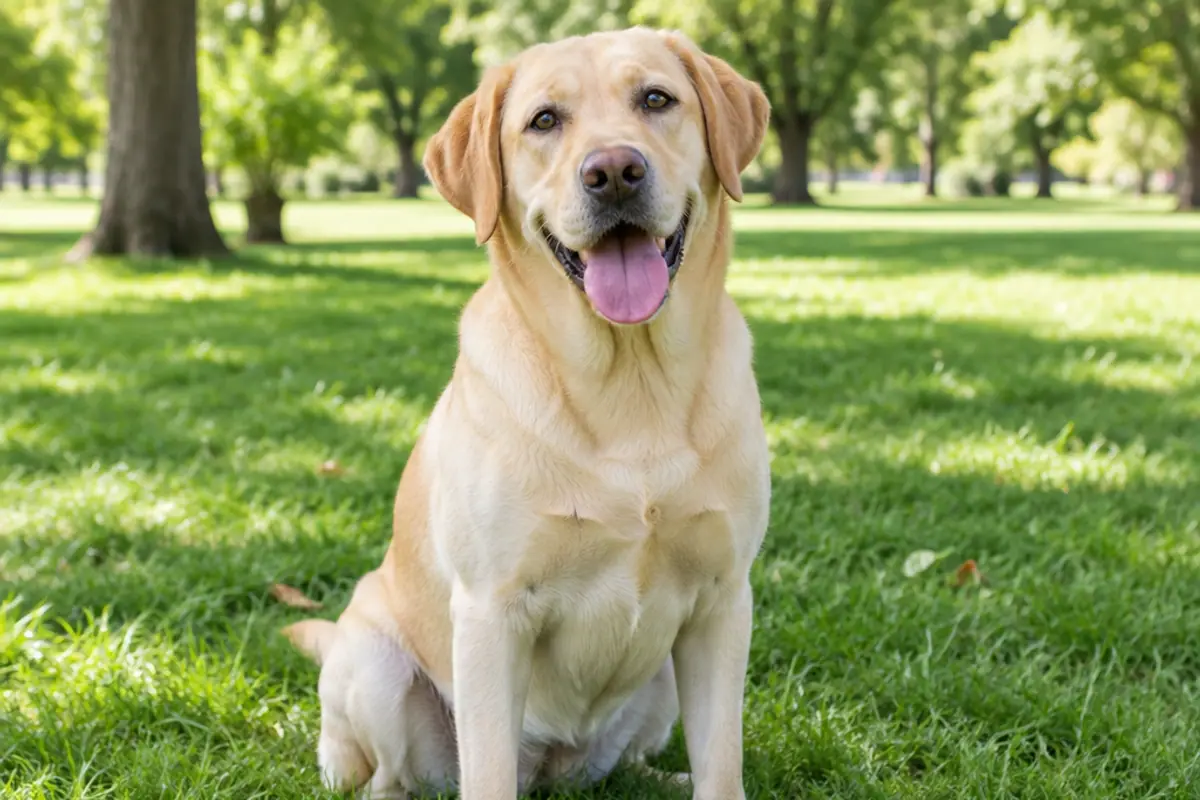
Labradors are famously outgoing, gentle and good-natured. They generally love people — including strangers — which makes them poor guard dogs but great family companions. Most get along well with children and other dogs. Young Labs are exuberant and mouthy, and many stay puppyish until 2–3 years old.
Exercise and energy
Labs were bred to retrieve game all day, so they need at least 1–2 hours of activity daily: walks, fetch, swimming and brain games. An under-exercised Lab often turns to chewing, jumping and digging. See games and interactive toys.
Grooming
The short double coat is easy to care for, but Labs shed a lot, especially during seasonal coat changes in spring and fall. Brush weekly (daily during shedding season). Their floppy ears can trap moisture — check and clean them regularly, especially after swimming.
Training
Highly trainable and food-motivated, Labs are one of the best breeds for first-time trainers. Focus early on loose-leash walking and not jumping on people — a 70-pound dog that pulls and jumps is hard work.
Health
Common issues include hip and elbow dysplasia, obesity, ear infections, eye diseases such as progressive retinal atrophy (PRA), and exercise-induced collapse (EIC) in some lines. Choose a breeder who health-tests hips, elbows and eyes and runs relevant DNA tests. Labs are notorious for overeating — keep them lean with measured meals (see our dog food calculator).
Is the Labrador Retriever right for you?
✅ A great match if you…
- Want a friendly, social family dog
- Enjoy daily walks, swimming or fetch
- Are new to training — Labs are forgiving learners
- Have kids and other pets
⛔ Think twice if you…
- Are away most of the day with no help
- Want a calm dog from day one — Lab puppies and adolescents are boisterous
- Hate dog hair on clothes and furniture
- Can't control portions — Labs gain weight easily
Breed traits are general tendencies, not guarantees. Health information is a summary of issues commonly reported in the breed — ask breeders for health-testing results and discuss screening with your veterinarian. Weights and heights are typical adult ranges and vary by line and sex.