Key takeaways
- Get down to dog level and look for anything chewable, swallowable or toxic.
- Secure medications, cleaning products, trash, cords and small objects first.
- Many common houseplants are toxic — lilies are deadly to cats, and sago palms are especially dangerous for dogs.
- Use gates, crates and closed doors to limit access until your dog is trustworthy.
Puppies and newly adopted dogs explore with their mouths. The best way to prevent emergencies and chewed belongings is to remove temptation before your dog arrives.
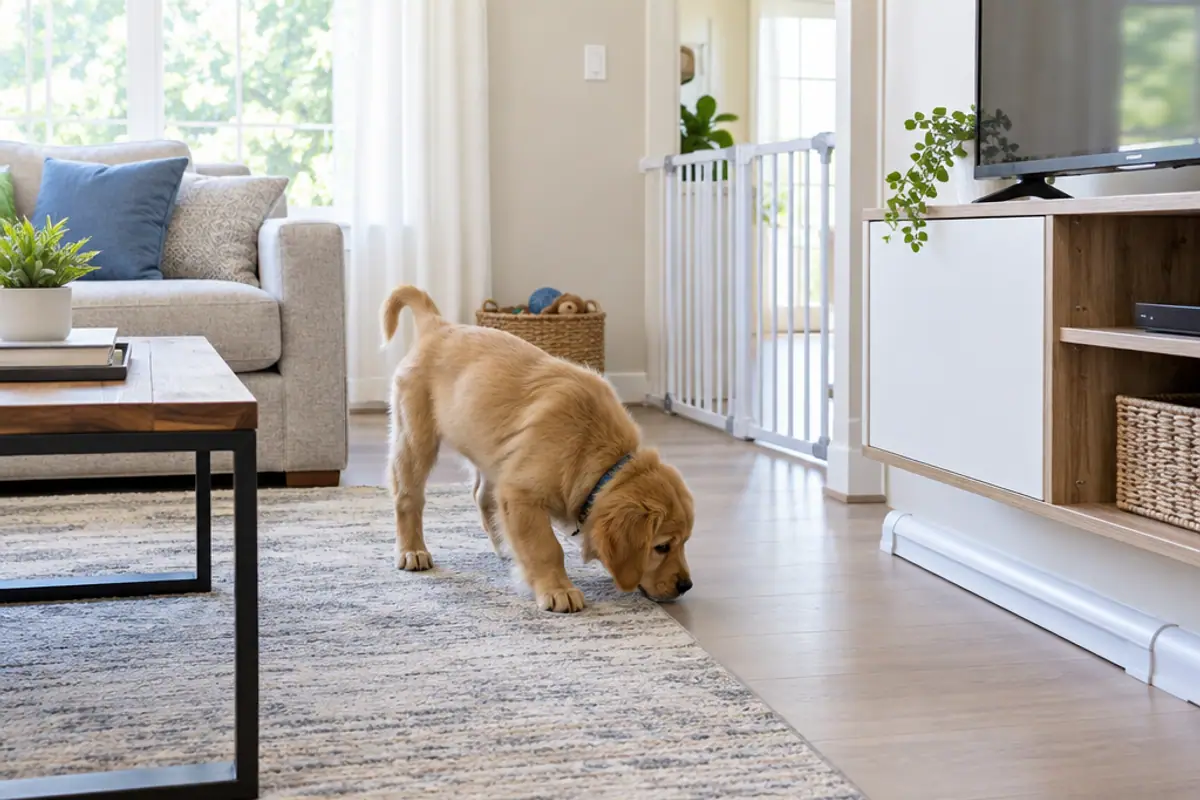
Get on your hands and knees and look around each room from your dog's height. You'll spot cables, dangling cords and small items you'd never notice standing up.
Kitchen
- Use child-proof latches on low cupboards with cleaning products.
- Get a lidded trash can or keep it behind a closed door. Bones, corn cobs, fatty scraps and food packaging are common causes of emergency surgery.
- Keep food off counter edges. Learn the foods that are toxic to dogs — especially chocolate, grapes, raisins, xylitol, onions and garlic.
- Push chairs in so dogs can't climb up to the table.
Bathroom
- Keep medications — human and pet — in closed cabinets. Ibuprofen, naproxen, acetaminophen, antidepressants, ADHD medications and many others are dangerous to dogs.
- Close the toilet lid (cleaning chemicals and drowning risk for tiny puppies).
- Keep razors, dental floss, cotton swabs and hair ties out of reach.
- Put sugar-free gum, mints and toothpaste away — they may contain xylitol, which is extremely toxic to dogs.
Living room and bedrooms
- Hide or cover electrical cords with cord protectors or behind furniture.
- Pick up small items: socks, underwear, children's toys, coins, batteries (especially button batteries), earbuds and jewelry.
- Secure blind and curtain cords.
- Keep shoes in a closet.
- Store remote controls away — dogs love chewing them, and batteries are dangerous.
Plants
Some common plants that can be toxic to dogs include:
- Sago palm (all parts, very dangerous)
- Aloe vera, jade plant, pothos, philodendron, dieffenbachia
- Lilies of the valley, azaleas, rhododendrons, oleander
- Tulip and daffodil bulbs
- Autumn crocus
Check every plant against the ASPCA's toxic plant list, and move or rehome anything questionable.
Garage, yard and garden
- Antifreeze tastes sweet and is highly toxic — store it securely and clean spills immediately.
- Keep pesticides, rodent bait, slug pellets, fertilizers and snail bait away from dogs. Rodent poison is a common and serious poisoning.
- Check fences for gaps and places a dog could dig under or jump over.
- Cover pools and hot tubs, or fence them off.
- Cocoa mulch can be toxic — choose another type.
Use management tools
- Baby gates to block stairs and rooms
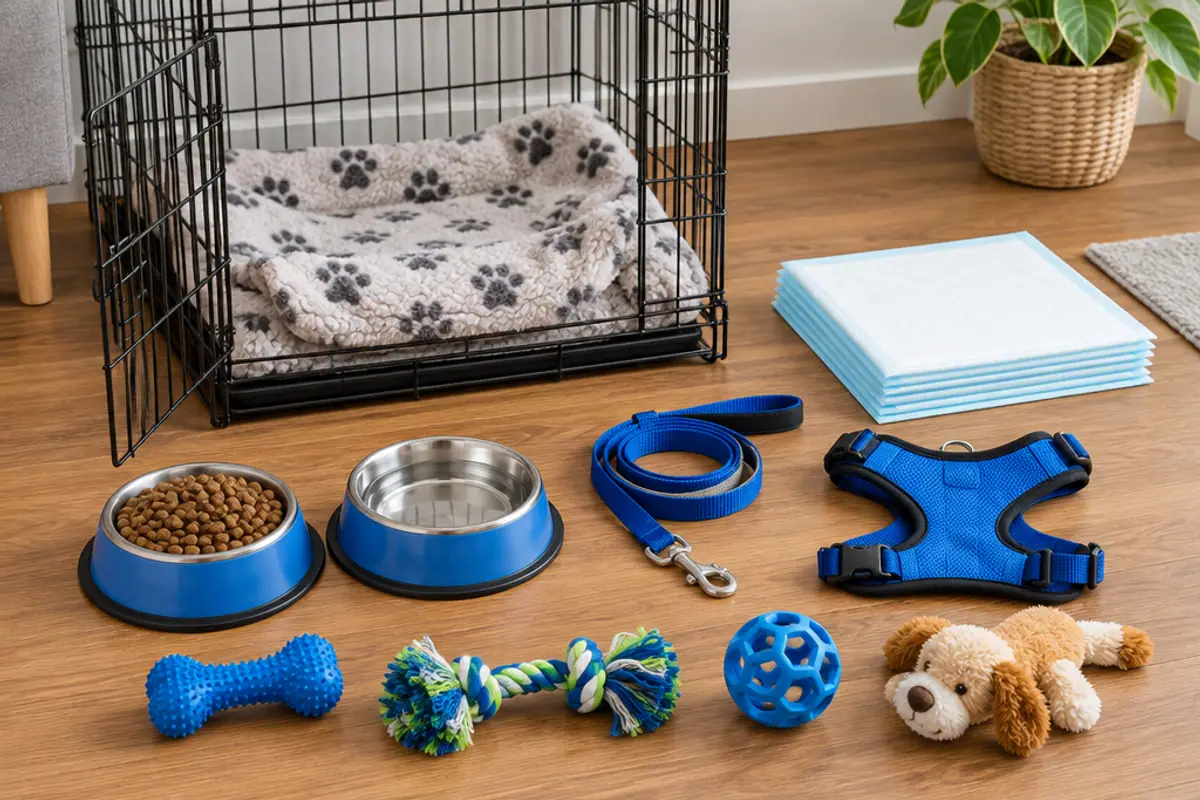
- A crate or playpen for times you can't supervise
- Closed doors — the simplest dog-proofing tool of all
Gradually give more freedom as your dog proves trustworthy.
If you think your dog has eaten something toxic, call your vet, an emergency clinic or a pet poison hotline immediately (in the U.S.: ASPCA Animal Poison Control, 888-426-4435, or Pet Poison Helpline, 855-764-7661 — fees may apply). Don't wait for symptoms and don't induce vomiting unless a professional tells you to.