Key takeaways
- The most common reasons for vet visits are skin allergies, ear infections, dental disease, stomach upsets and arthritis.
- Puppies are most at risk from infectious diseases and parasites; seniors from arthritis, dental disease, kidney disease and cancer.
- Many breeds have specific inherited risks — know your breed's.
- Annual check-ups (twice a year for seniors) catch problems early.
Knowing what problems are common at different life stages helps you spot early warning signs. Always talk to your vet about any changes in your dog's health.
Most common health problems in all dogs
| Condition | Typical signs |
|---|---|
| Skin allergies (atopic dermatitis, flea allergy, food allergy) | Itching, licking paws, red skin, recurrent ear infections |
| Ear infections (otitis) | Head shaking, scratching ears, odor, discharge, redness |
| Dental disease | Bad breath, tartar, red gums, dropping food, reluctance to chew |
| Gastrointestinal upset | Vomiting, diarrhea, not eating |
| Obesity | Can't feel ribs, no waist — see overweight dogs |
| Osteoarthritis | Stiffness after rest, slow on stairs, reluctance to jump |
| Lumps and bumps | Most are benign fatty lumps, but any new lump should be checked |
| Urinary tract infections | Frequent urination, accidents, straining |
Puppies (under 1 year)
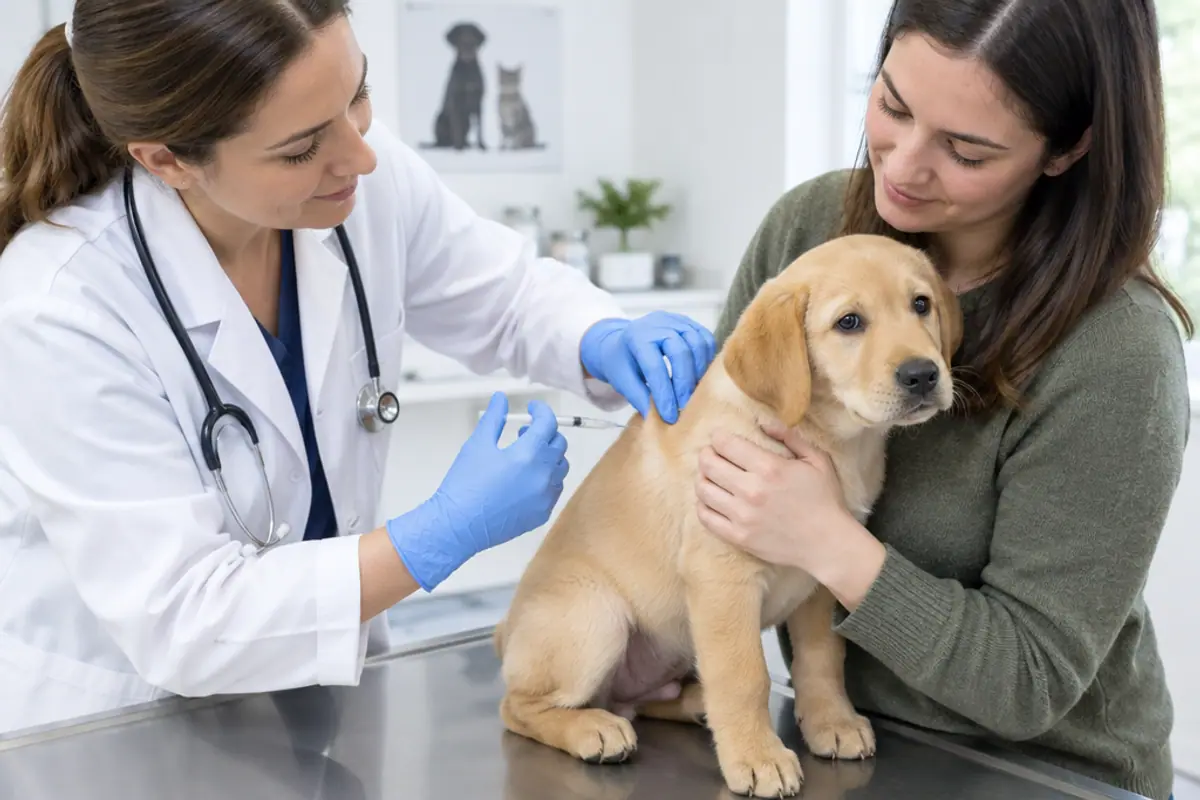
- Parvovirus and distemper — prevented by vaccination
- Intestinal parasites — roundworms, hookworms, giardia. See parasite prevention
- Kennel cough — a contagious respiratory infection
- Swallowed objects — socks, toys and bones cause intestinal blockages
- Low blood sugar in toy breeds
- Developmental joint problems in large breeds
Adult dogs (1–7 years)
- Skin allergies and ear infections
- Dental disease (by age 3, most dogs have some degree of it)
- Injuries: cruciate ligament tears, cuts, sprains
- Weight gain
- Tick-borne diseases in some regions
Senior dogs (7+ years, earlier for giant breeds)
- Osteoarthritis
- Dental disease
- Kidney disease (increased thirst and urination, weight loss)
- Heart disease (coughing, tiring easily, fast breathing at rest)
- Cancer — one of the leading causes of death in older dogs
- Hypothyroidism (weight gain, lethargy, coat changes)
- Diabetes (increased thirst, urination, appetite, weight loss)
- Cognitive dysfunction (confusion, nighttime restlessness, house-soiling)
- Cataracts and hearing loss
See senior dog care.
Breed-related conditions
| Breed type | Common conditions |
|---|---|
| Flat-faced breeds (Pug, French Bulldog, Bulldog, Shih Tzu) | Breathing problems (BOAS), heat stroke, eye injuries, skin fold infections |
| Large and giant breeds (Great Dane, German Shepherd, Labrador) | Hip and elbow dysplasia, bloat (GDV), bone cancer |
| Long-backed breeds (Dachshund, Corgi) | Intervertebral disc disease (IVDD) |
| Toy breeds (Chihuahua, Yorkie, Pomeranian) | Dental disease, kneecap luxation, tracheal collapse |
| Cavalier King Charles Spaniel | Mitral valve heart disease, syringomyelia |
| Doberman, Boxer, Great Dane | Heart muscle disease (cardiomyopathy) |
| Golden Retriever, Boxer, Bernese Mountain Dog | Higher cancer rates |
| Herding breeds (Collies, Aussies) | MDR1 drug sensitivity, eye conditions |
Look up your dog's breed in our breed profiles for more.
Prevention checklist
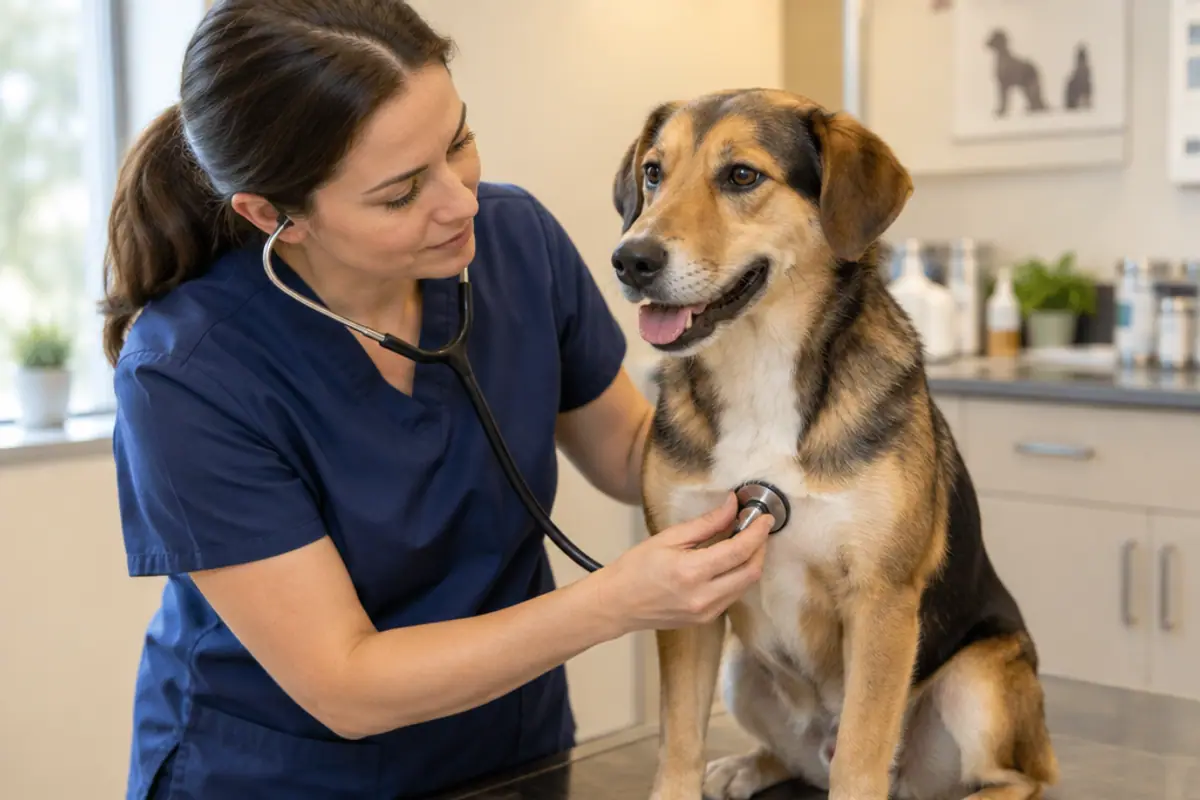
- Annual wellness exams (every 6 months for seniors)
- Vaccines and year-round parasite prevention
- Daily tooth brushing and professional cleanings as needed
- Keep your dog lean
- Regular exercise suited to age and breed
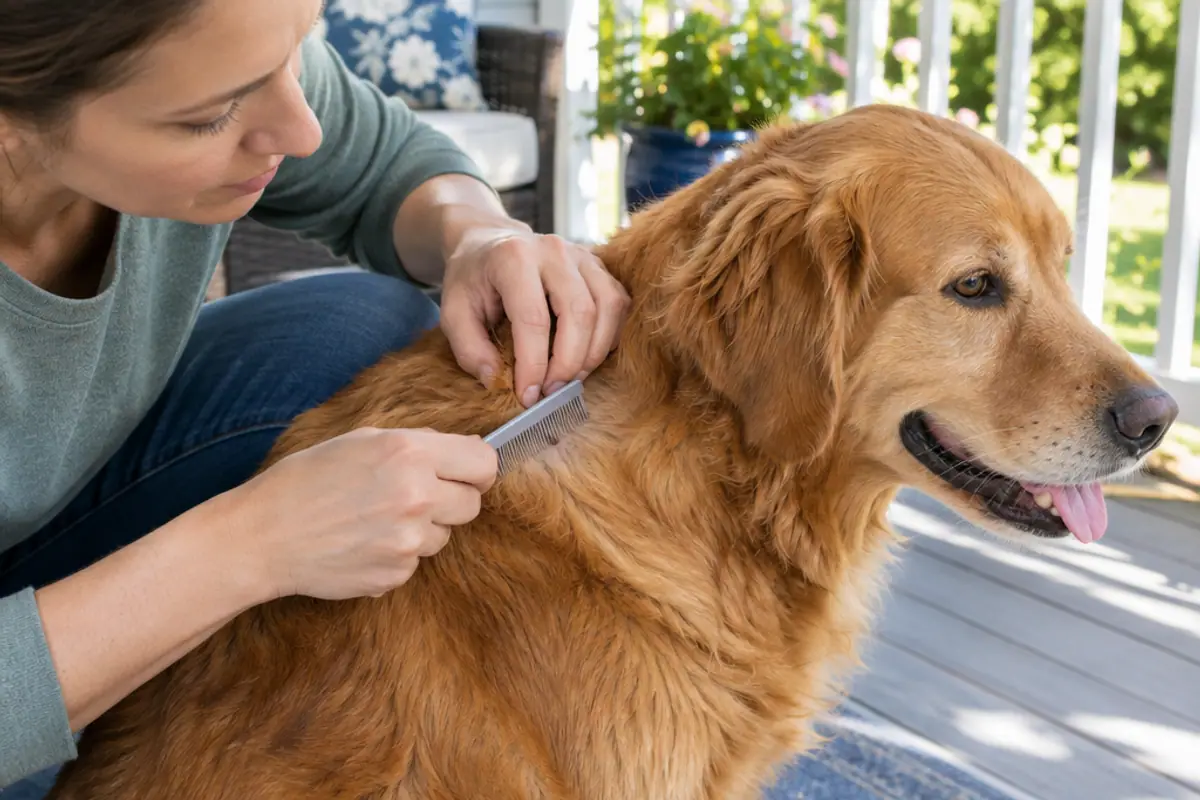
- Check your dog weekly: ears, eyes, teeth, skin, lumps, nails
- Learn the emergency warning signs
Important: This article is general educational information, not veterinary advice. Every dog is different — always talk to your veterinarian about your own dog's health, diet and treatment. In an emergency, contact your vet or nearest emergency animal hospital immediately.