Key takeaways
- Choose a vet before your dog arrives and book a check-up within the first few days.
- Consider location, hours, emergency arrangements, communication style and costs.
- Know where your nearest 24-hour emergency hospital is.
- A good vet explains options and respects your questions and budget.
Your veterinarian is your most important partner in your dog's health. It's worth choosing carefully — ideally before your dog arrives.
Types of vet practices
- General practice clinics — routine care, vaccines, minor illness, surgery like spay/neuter and dental cleanings.
- Emergency and specialty hospitals — open 24/7 or after hours, with specialists in surgery, internal medicine, cardiology, dermatology and more.
- Low-cost clinics — often run by shelters or nonprofits, for vaccines and spay/neuter.
- Mobile vets — come to your home; great for anxious dogs or owners with mobility issues.
- Fear Free or cat/dog-friendly certified practices — trained in low-stress handling.
What to look for
- Location and hours. Close enough to reach quickly; hours that fit your schedule.
- Emergency arrangements. Do they handle after-hours emergencies, or refer to a 24-hour hospital? Where?
- Accreditation. In the U.S., AAHA accreditation means the practice has met voluntary standards of care. Many excellent clinics aren't accredited, but it's a good sign.
- Communication. Does the vet explain things clearly, offer options, and answer questions without rushing?
- Low-stress handling. Do staff use treats, gentle handling and patience?
- Costs and payment. Ask for estimates. Do they accept pet insurance claims or offer payment plans?
- Services. In-house X-rays, lab work, dentistry, ultrasound?
- Cleanliness and atmosphere. Is the clinic clean, organized and calm?
How to find candidates
- Ask dog-owning friends, neighbors, trainers and groomers.
- Read online reviews — look for patterns rather than single complaints.
- Visit or call and ask questions.
Questions to ask
- How many vets work here? Can I usually see the same one?
- What happens if my dog needs care after hours?
- How do you handle anxious dogs?
- What does a wellness exam cost? A typical vaccine visit?
- Do you offer wellness plans?
Preparing for the first visit
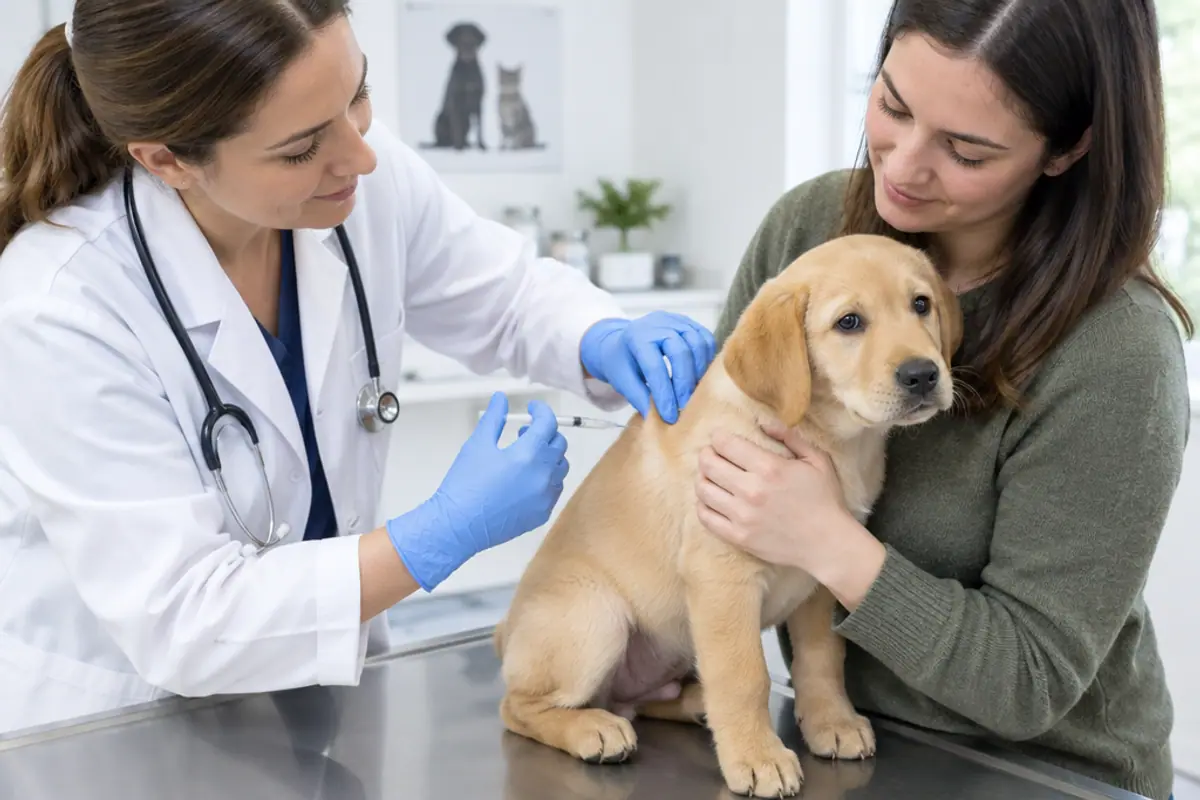
- Bring all records from the breeder, shelter or previous vet.
- Bring a fresh stool sample (ask whether they want one).
- Write down questions: food, parasite prevention, spay/neuter timing, insurance, microchip.
- Bring tasty treats and your dog's favorite toy.
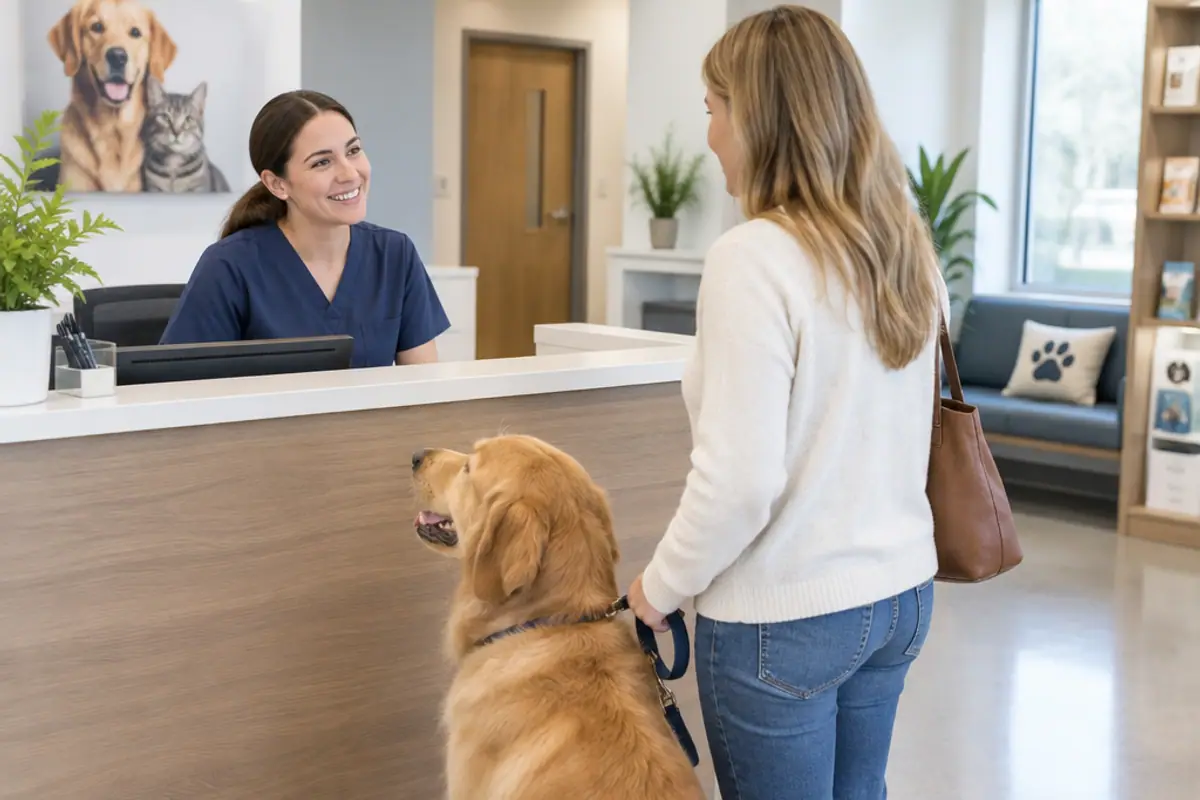
- Keep your dog leashed or in a carrier in the waiting room.
Make some "happy visits" — drop in just to say hello, get treats from the staff and leave. It helps your dog build positive associations with the clinic.
Emergency clinics
Save the address and phone number of your nearest 24-hour emergency animal hospital in your phone now. Learn the warning signs that need urgent care.
Important: This article is general educational information, not veterinary advice. Every dog is different — always talk to your veterinarian about your own dog's health, diet and treatment. In an emergency, contact your vet or nearest emergency animal hospital immediately.