Key takeaways
- Any type can be healthy if it is complete and balanced for your dog's life stage.
- Dry food is convenient and economical; wet food is more palatable and hydrating but costs more.
- Homemade diets are often nutritionally incomplete unless formulated by a board-certified veterinary nutritionist.
- Raw diets carry bacterial risks for pets and people — discuss with your vet first.
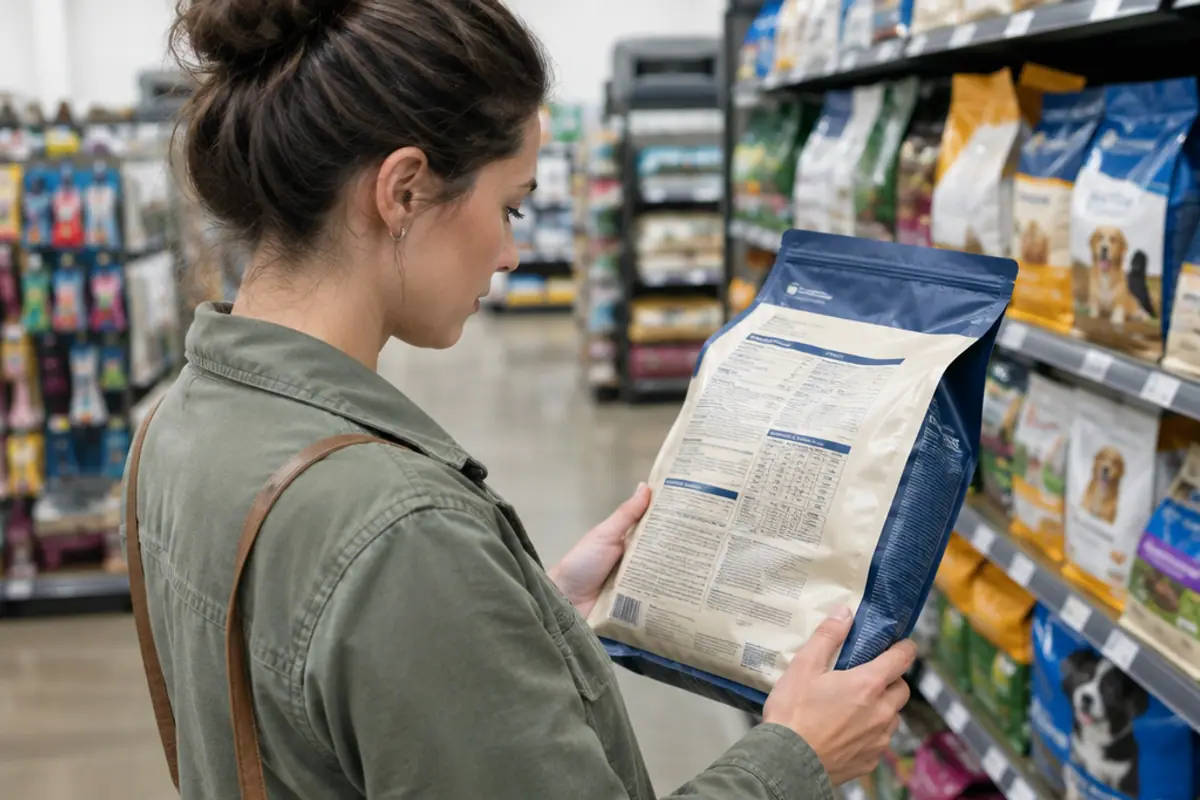
There's no single "best" type of dog food. What matters most is that your dog's food is complete and balanced — meaning it provides all the nutrients a dog needs in the right amounts — and that it suits your dog's age, size, health and your budget.
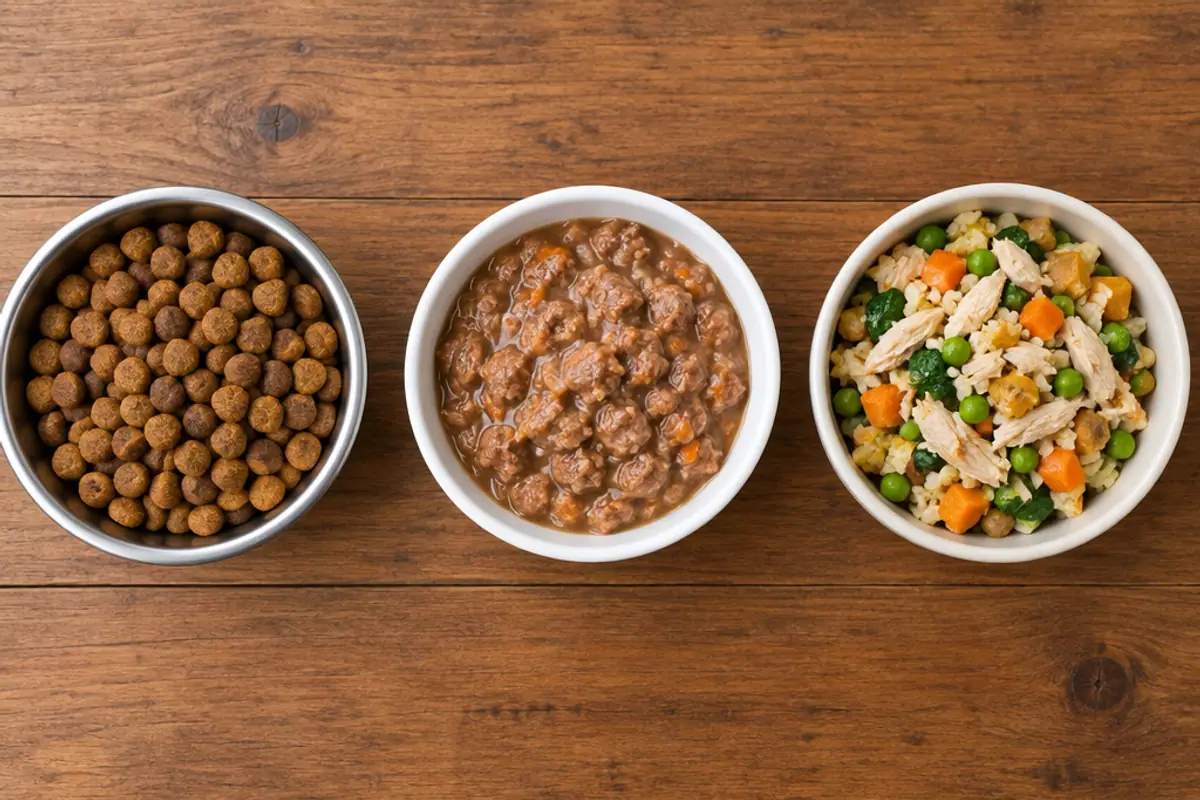
Dry food (kibble)
Pros
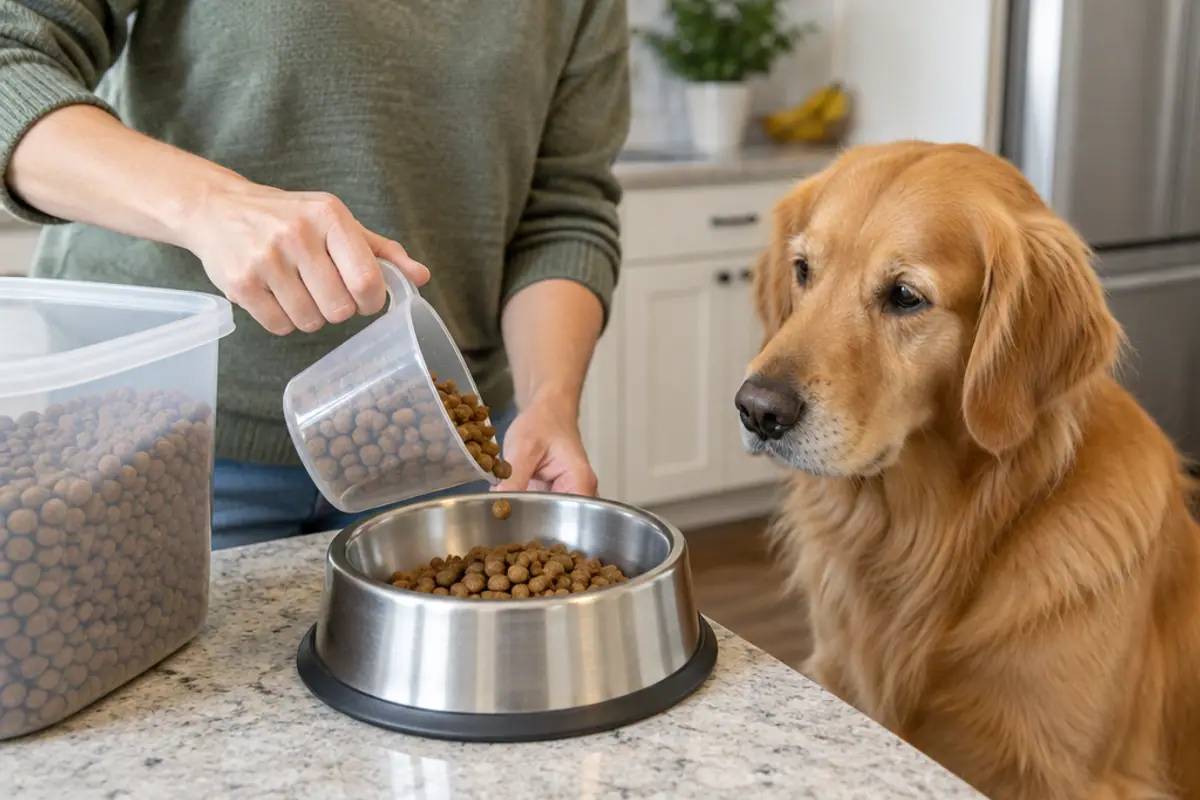
- Convenient, easy to store and measure
- Usually the most economical per calorie
- Great for food puzzles and training rewards
- Long shelf life once opened (if sealed properly)
Cons
- Less palatable for some picky eaters
- Low moisture (about 10%) — make sure fresh water is always available
- Easy to overfeed if you don't measure
Kibble is often said to "clean teeth." Most regular kibble has limited dental benefit. Specific dental diets and chews tested for plaque control (look for the VOHC seal) do help. Nothing replaces brushing. See teeth care.
Wet food (canned or pouches)
Pros
- Very palatable — useful for picky, older or sick dogs
- High moisture (around 75–80%) helps hydration, useful for dogs prone to urinary issues
- Lower calorie density can help some dogs feel full
Cons
- More expensive per calorie
- Must be refrigerated after opening and used within a few days
- More packaging waste
Many owners mix dry and wet food: a spoonful of wet food on kibble makes meals more appealing. Just adjust the total amount so you don't overfeed.
Fresh, refrigerated or gently cooked food
Subscription fresh-food brands have become popular. They're highly palatable and often use recognizable ingredients. They can be good options if they're formulated to meet AAFCO (U.S.) or FEDIAF (Europe) standards — but they're expensive, and "human-grade" is a marketing claim more than a nutritional one.
Homemade diets
Pros
- Full control over ingredients — helpful for some dogs with allergies
Cons
- Studies have found that most homemade dog food recipes from books and websites are nutritionally incomplete, commonly lacking calcium, zinc, vitamin D and other nutrients.
- Time-consuming and often expensive.
If you want to feed homemade, get a recipe formulated for your dog by a board-certified veterinary nutritionist and follow it exactly, including the supplements.
Raw diets
Raw diets (commercial or homemade) are popular in some circles, but major veterinary organizations advise caution. Raw meat can carry Salmonella, Listeria, E. coli and other bacteria that can make dogs — and the people in the home, especially children, the elderly and those with weakened immunity — seriously ill. There's no good evidence that raw diets are healthier than cooked complete diets. If you're considering raw feeding, discuss it with your vet first.
Quick comparison
| Dry | Wet | Fresh | Homemade | Raw | |
|---|---|---|---|---|---|
| Cost | $ | $$ | $$$ | $$–$$$ | $$–$$$ |
| Convenience | High | Medium | Medium | Low | Low |
| Palatability | Medium | High | High | High | High |
| Hydration | Low | High | High | High | High |
| Risk of imbalance | Low (if complete) | Low (if complete) | Low (if complete) | High | Medium–high |
| Food safety risk | Low | Low | Low | Low–medium | High |
How to choose
- Pick a food labeled complete and balanced for your dog's life stage (puppy/growth, adult maintenance, or all life stages). See how to choose dog food.
- Choose a format that fits your budget and routine.
- Feed the right amount. Use our dog food calculator.
- Watch your dog: good energy, healthy weight, shiny coat and firm stools are good signs.
Switching foods safely
Change foods gradually over 7–10 days to avoid stomach upset:
| Days | Old food | New food |
|---|---|---|
| 1–3 | 75% | 25% |
| 4–6 | 50% | 50% |
| 7–9 | 25% | 75% |
| 10 | 0% | 100% |
Important: This article is general educational information, not veterinary advice. Every dog is different — always talk to your veterinarian about your own dog's health, diet and treatment. In an emergency, contact your vet or nearest emergency animal hospital immediately.