Key takeaways
- Most adult dogs need 30 minutes to 2 hours of activity a day, depending on breed and age.
- Mental exercise — sniffing, training, puzzles — tires dogs out as much as physical exercise.
- Puppies need short, gentle play sessions — not long runs.
- Adjust for heat, age, weight and health.
Exercise keeps dogs physically healthy, prevents weight gain and — just as importantly — reduces boredom-related problems like chewing, barking and digging. But the right amount varies a lot.
Daily exercise guide by breed type
| Breed type | Examples | Daily activity |
|---|---|---|
| Working and herding | Border Collie, Aussie, Husky, Malinois | 1.5–2+ hours, plus mental work |
| Sporting | Labrador, Golden, Pointer, Spaniels | 1–2 hours |
| Terriers | Jack Russell, Schnauzer | 45–90 minutes |
| Scent hounds | Beagle, Basset | 1 hour, lots of sniffing |
| Sighthounds | Greyhound, Whippet | 30–60 minutes with a chance to sprint safely |
| Toy and companion | Cavalier, Shih Tzu, Maltese | 30–45 minutes |
| Flat-faced breeds | Pug, Bulldog, French Bulldog | 20–45 minutes, gentle, cool weather only |
| Giant breeds | Great Dane, Bernese | 45–90 minutes of moderate activity |
Check your breed's profile in our breed catalog.
Puppies
Puppies have bursts of energy followed by long naps (they need 18–20 hours of sleep a day). Let them play freely and take short walks. A popular rule of thumb is about 5 minutes of structured walking per month of age, up to twice a day — it's not scientifically precise, but it's a sensible guide to avoid over-exercising.
- Avoid long runs, repetitive jumping and forced exercise (e.g., jogging or cycling) until growth plates close — often 12–18 months, later for large and giant breeds. Ask your vet.
- Free play on soft surfaces is great.
- Socialization outings count as exercise too. See puppy socialization.
Senior dogs
Older dogs still need daily exercise to maintain muscle, joint mobility and mental sharpness. Try shorter, more frequent walks, gentle sniffing adventures and swimming. Watch for stiffness or lagging behind. See senior dog care.
What counts as exercise?
Physical
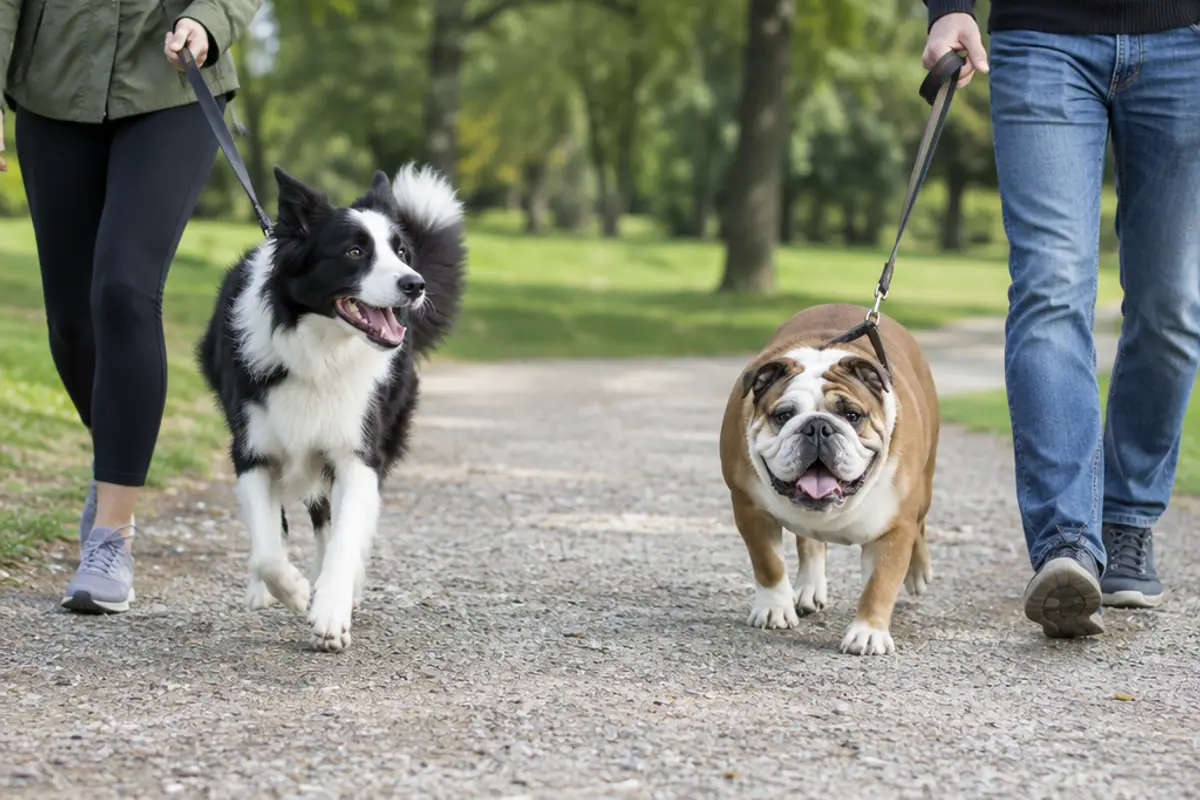
- Walks and hikes
- Fetch and tug
- Running or jogging (for suitable adult dogs)
- Swimming
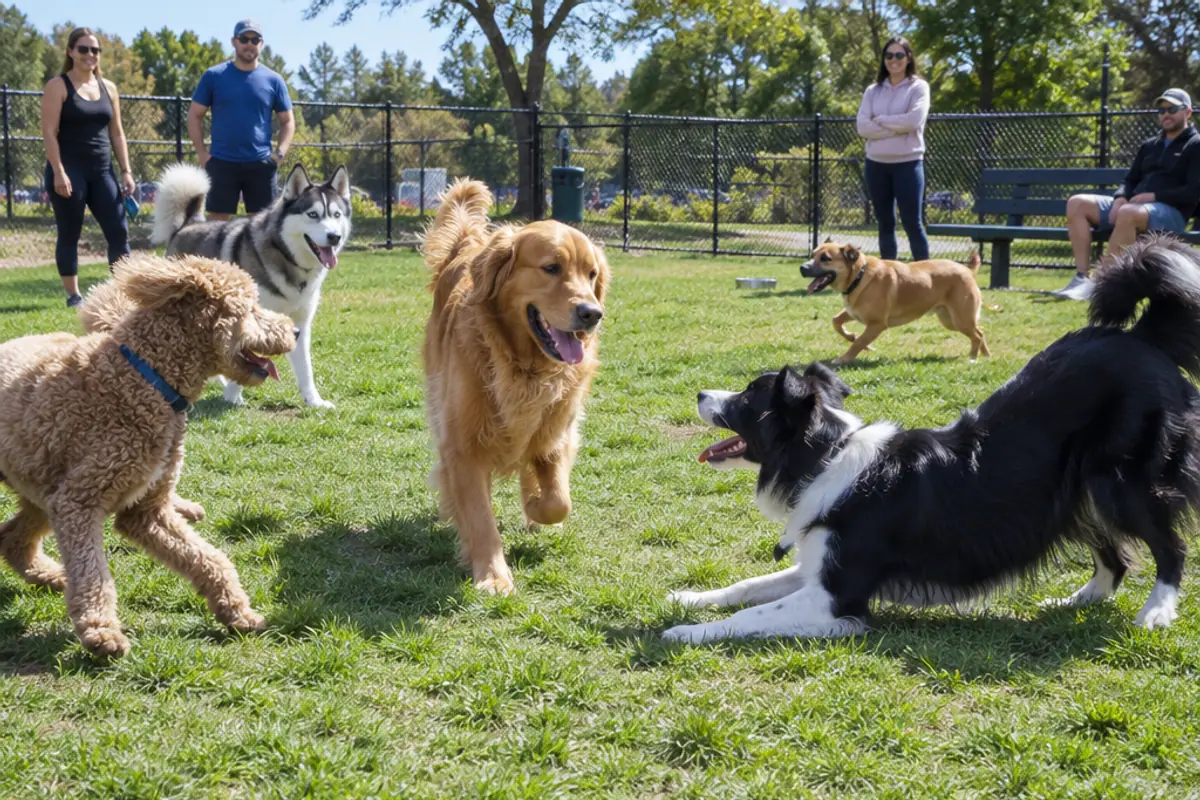
- Off-leash play in safe, fenced areas
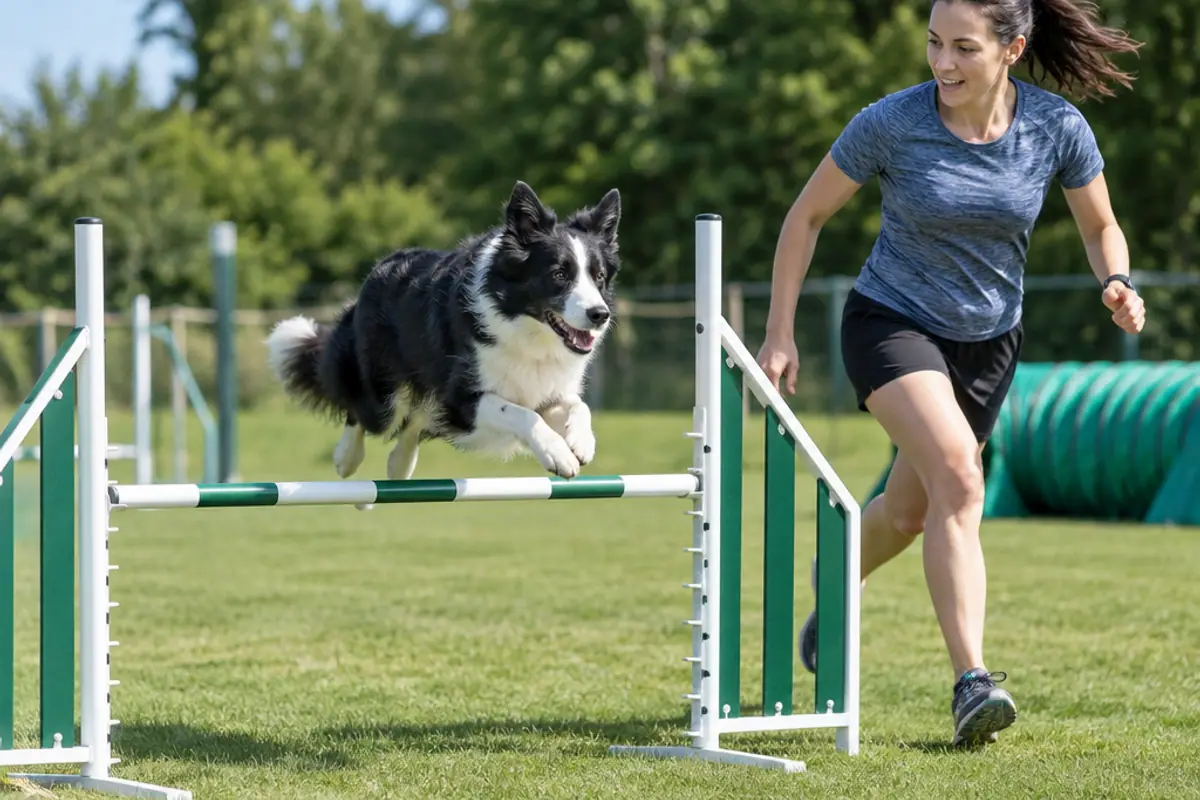
- Dog sports — see dog sports for beginners
Mental
- Sniffing walks — let your dog explore at its own pace. Sniffing is surprisingly tiring and calming.
- Training sessions — 5–10 minutes of learning is mentally draining.
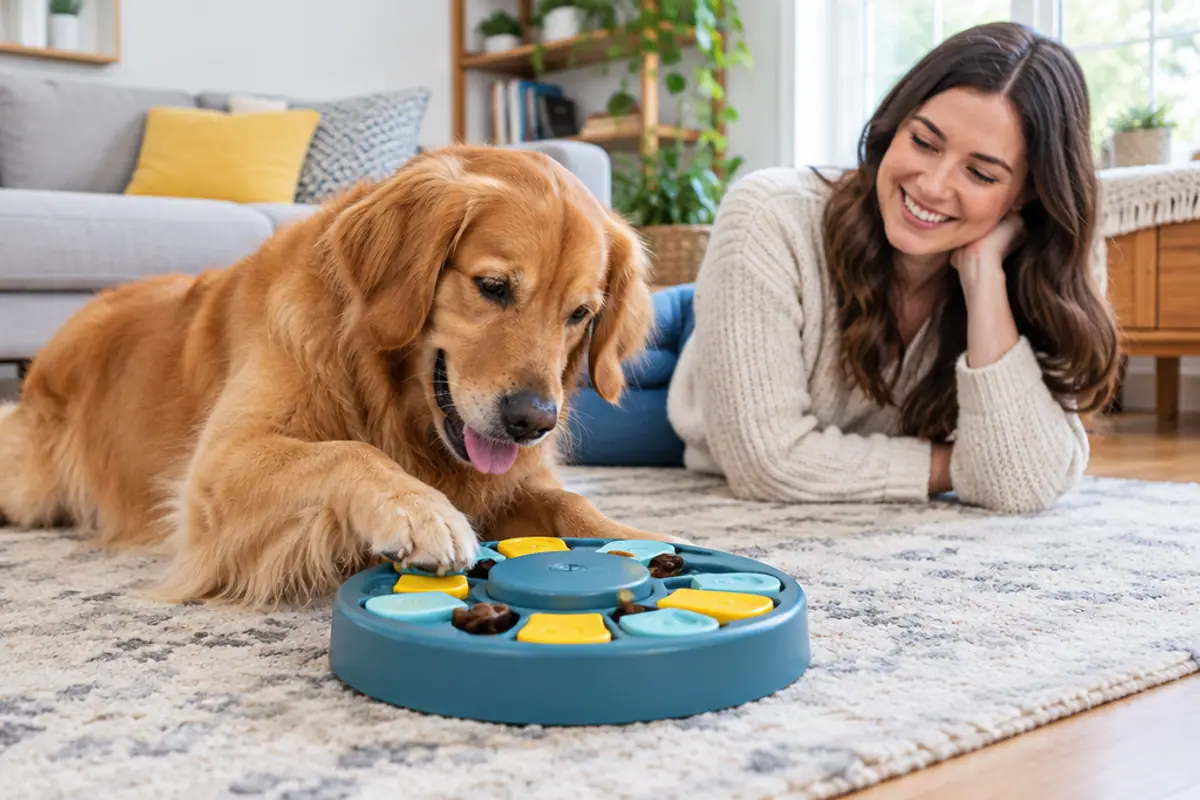
- Food puzzles and snuffle mats
- Scent games — hide treats or toys
- Chewing — calming and satisfying
See games and interactive toys.
Signs your dog needs more exercise
- Destructive chewing or digging
- Excessive barking or whining
- Restlessness, pacing, trouble settling in the evening
- Jumping, mouthing, "zoomies" indoors
- Weight gain
Signs of too much or the wrong kind
- Limping or stiffness afterward
- Excessive panting, lagging behind or lying down on walks
- Sore or cracked paw pads
- Over-arousal: some high-energy dogs become more wound up with endless fetch. Balance physical exercise with calming activities.
Exercise carefully in hot weather. Flat-faced breeds, overweight dogs, seniors and thick-coated dogs overheat quickly. See seasonal dog care.