Key takeaways
- Never leave a dog in a parked car — even on a mild day temperatures rise fast.
- Use the 7-second rule: if pavement is too hot for the back of your hand, it's too hot for paws.
- In winter, wipe paws after walks to remove de-icing salt and chemicals.
- Short-coated, small, old and very young dogs may need a coat in cold weather.
Seasons bring different risks for dogs. A few simple habits keep your dog comfortable and safe all year.
Summer and hot weather
Dogs cool themselves mainly by panting, which is much less efficient than sweating. They can overheat quickly — especially flat-faced breeds, overweight dogs, seniors, puppies and thick-coated breeds.
Heat safety rules
- Never leave your dog in a parked car, even with the windows cracked. The temperature inside a car can rise by about 20 °F (11 °C) in 10 minutes.
- Walk early in the morning or late in the evening.
- Check the pavement: press the back of your hand on it for 7 seconds. Too hot for you = too hot for paws. Asphalt can be far hotter than the air.
- Provide shade and fresh water at all times.
- Shorten exercise and avoid intense play on hot, humid days.
- Try cooling mats, frozen treats (e.g., frozen plain pumpkin or broth cubes) and a paddling pool.
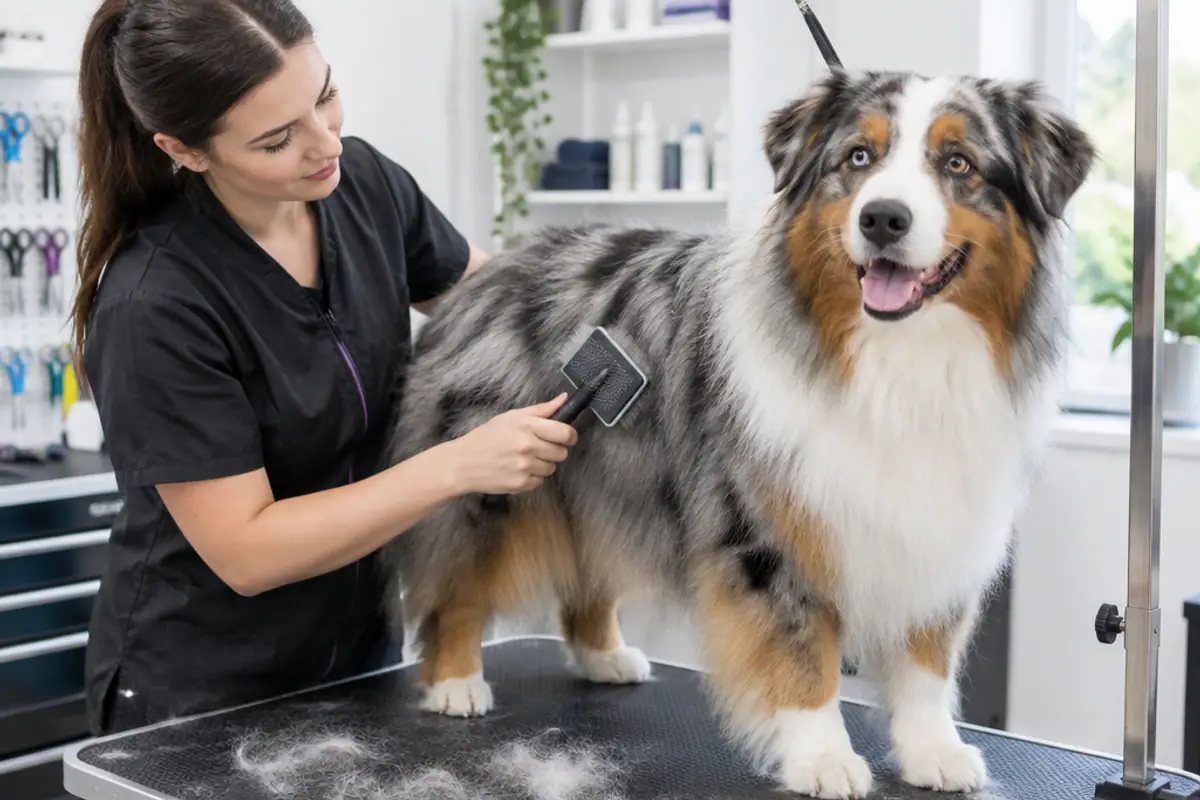
- Don't shave double coats — see brushing guide.
- Use a pet-safe sunscreen on thinly haired, light-colored areas if your vet recommends it.
Signs of heatstroke: heavy panting, drooling, bright red or pale gums, weakness, vomiting, diarrhea, confusion, collapse. Move your dog to a cool place, wet it with cool (not ice-cold) water, use a fan and go to the vet immediately. See emergency symptoms.
Other summer hazards
- Water safety: not all dogs can swim. Use a dog life jacket on boats and near deep water. Blue-green algae in ponds and lakes can be deadly — avoid water that looks scummy or discolored.
- Barbecues: corn cobs, skewers, bones and fatty scraps.
- Fireworks: many dogs are terrified. Keep them indoors, close curtains, play background noise and make sure ID tags are on. Talk to your vet ahead of time if your dog is very anxious.
- Parasites: fleas, ticks and mosquitoes are most active in warm months — keep up with prevention.
Winter and cold weather
- Know your dog's tolerance. Huskies and Bernese love snow; Chihuahuas, Greyhounds and short-coated dogs get cold fast.
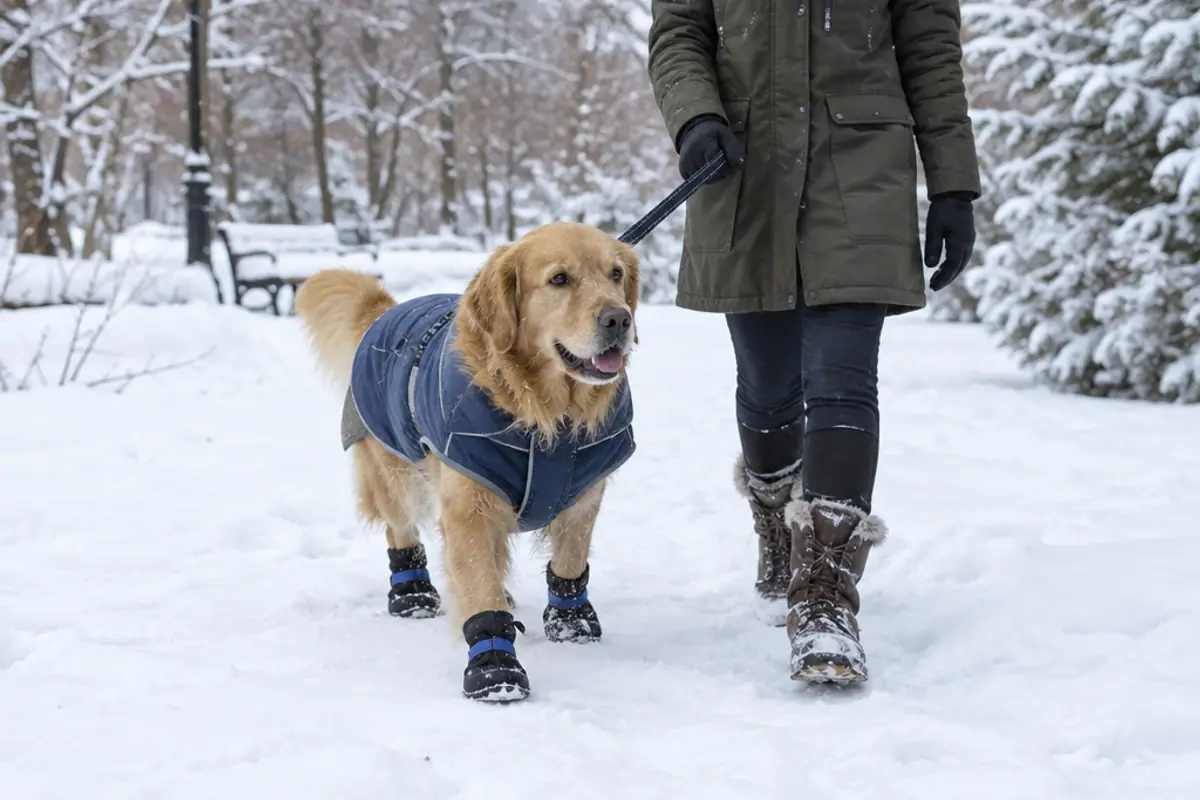
- Coats and sweaters help small, short-haired, thin, senior and young dogs.
- Shorten walks in extreme cold. Watch for shivering, whining, lifting paws or trying to turn back.
- Never leave dogs outdoors for long periods in freezing temperatures.
Paw care in winter
De-icing salts and chemicals can irritate paws and are harmful if licked off.
- Wipe paws with a damp cloth after every walk.
- Use paw balm before walks to create a barrier.
- Consider dog booties — many dogs adjust with practice.
- Trim hair between toes to prevent ice balls.
- Use pet-safe ice melt at home.
Other winter hazards
- Antifreeze — sweet-tasting and deadly. Clean up drips and store it securely.
- Frozen ponds — dogs can fall through ice.
- Space heaters and fireplaces — use guards.
- Holiday dangers: chocolate, xylitol-sweetened treats, fatty meats, cooked bones, tinsel, ribbon, ornaments, lilies and potpourri. See toxic foods.
Spring and fall
- Shedding season: brush more often.
- Allergies may flare with pollen.
- Garden products: fertilizers, slug pellets, mulch and pesticides.
- Mushrooms pop up in damp weather — some are highly toxic. Remove them from your yard.
- Halloween candy and wrappers.
- Shorter days: use reflective gear or an LED collar for evening walks.