Key takeaways
- Dog parks suit social, vaccinated, healthy dogs with a reliable recall.
- Watch your dog at all times — put your phone away.
- Healthy play has pauses, role reversals and loose bodies.
- Leave if your dog is overwhelmed, bullying or being bullied.
Dog parks can be great for social dogs to burn energy. But they're not right for every dog, and a bad experience can make a dog fearful of other dogs. Here's how to make visits safe and fun.
Is your dog ready?
Your dog should be:
- Fully vaccinated and on parasite prevention
- Spayed/neutered or, if intact, check park rules (females in heat should never go)
- Healthy — no coughing, diarrhea or skin issues
- Social with unfamiliar dogs, not just a best friend
- Reliable at coming when called, at least most of the time
- Over about 4 months and done with the puppy vaccine series
Dog parks are not a good idea for fearful, reactive, resource-guarding or very small dogs in a mixed-size area. Many fearful dogs are brought to parks to "socialize" and get worse.
Before you go in
- Visit without your dog first to see how busy it is and what the regulars are like.
- Choose quiet times for the first visits.
- Exercise your dog a little first to take the edge off.
- Watch from outside the fence for a minute. If there's a pack at the gate or rough play, come back later.
- Remove the leash in the double-gate area — a leashed dog among loose dogs can feel trapped.
- Remove prong or choke collars, which can catch during play.
Unwritten rules
- Pay attention. Watch your dog, not your phone.
- Pick up poop immediately.
- Don't bring food or high-value toys that could cause fights.
- Keep puppies and small dogs in the small-dog area if there is one.
- Don't let your dog bully — or be bullied.
- Respect other owners' boundaries — ask before giving treats to someone else's dog.
- Leave if there's a problem. It's not about who's right.
Reading dog play
Good signs:
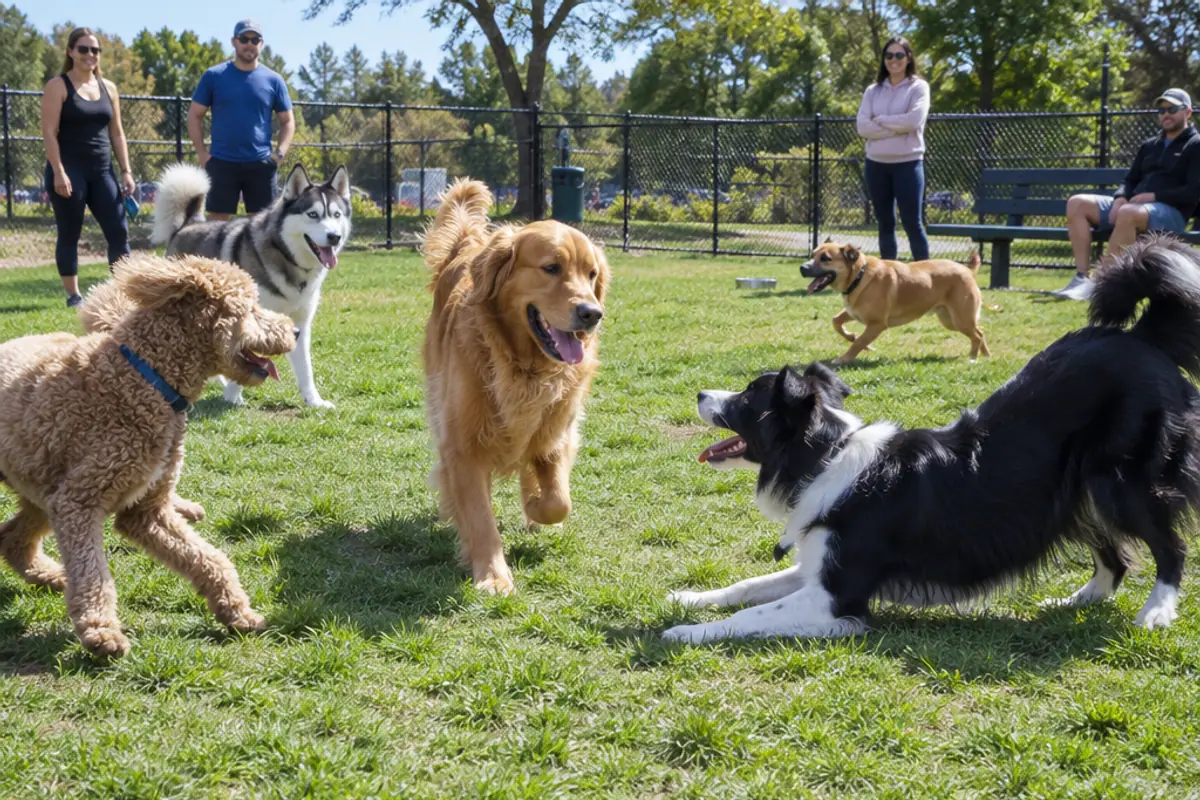
- Loose, wiggly, bouncy bodies
- Play bows and exaggerated movements
- Taking turns chasing and being chased, being on top and bottom
- Pauses and breaks
- Both dogs keep coming back for more
Time to interrupt:
- One dog is always chasing or pinning the other
- A dog is trying to escape or hide
- Stiff bodies, hard stares, raised hackles with growling
- Several dogs ganging up on one
- Play keeps escalating without breaks
Call your dog away for a short break and reward. If it continues, leave. See dog body language.
If a fight breaks out
- Don't reach between fighting dogs — you can be badly bitten.
- A loud noise, a blanket or a board between them can interrupt.
- Some people use the "wheelbarrow" method (two people lift each dog's hind legs and back away) — only if you can do it safely.
- Check your dog for injuries — bite wounds can be hidden under fur. See your vet.
Alternatives to the dog park
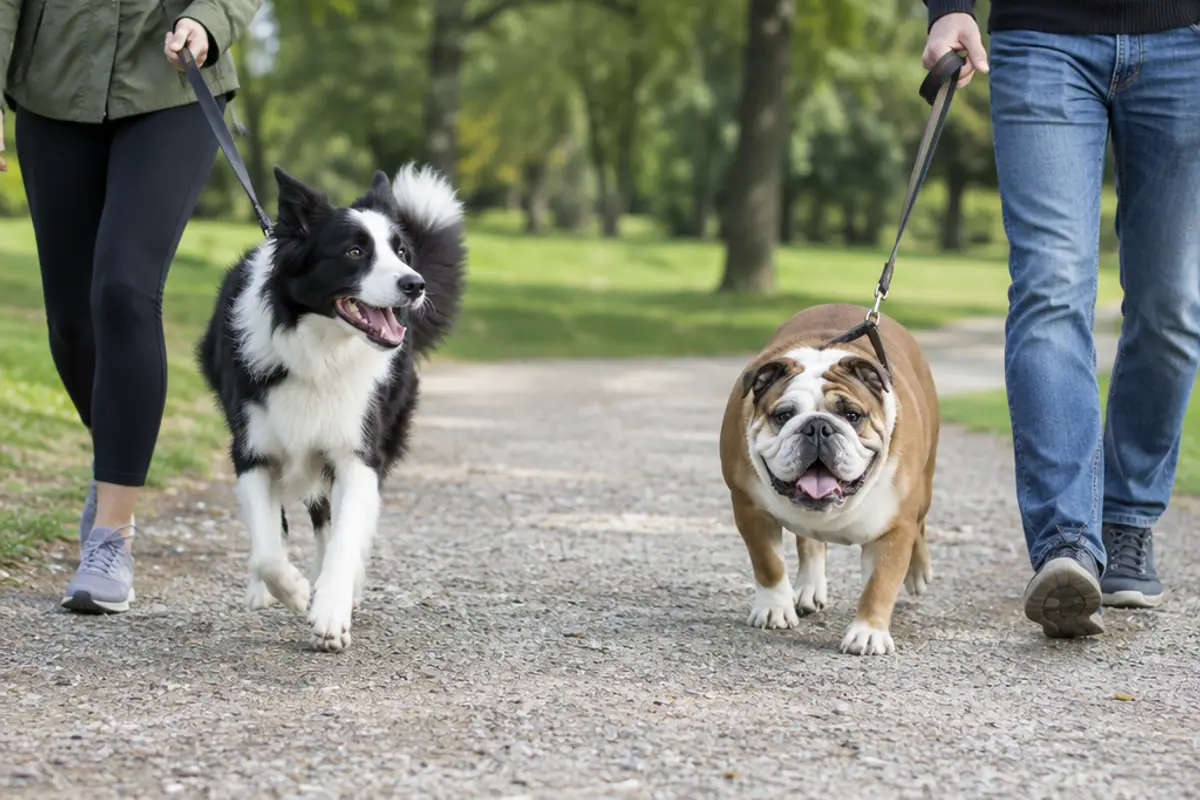
- Play dates with a known, compatible dog
- Long-line walks in open spaces
- Rentable private dog fields (increasingly common)
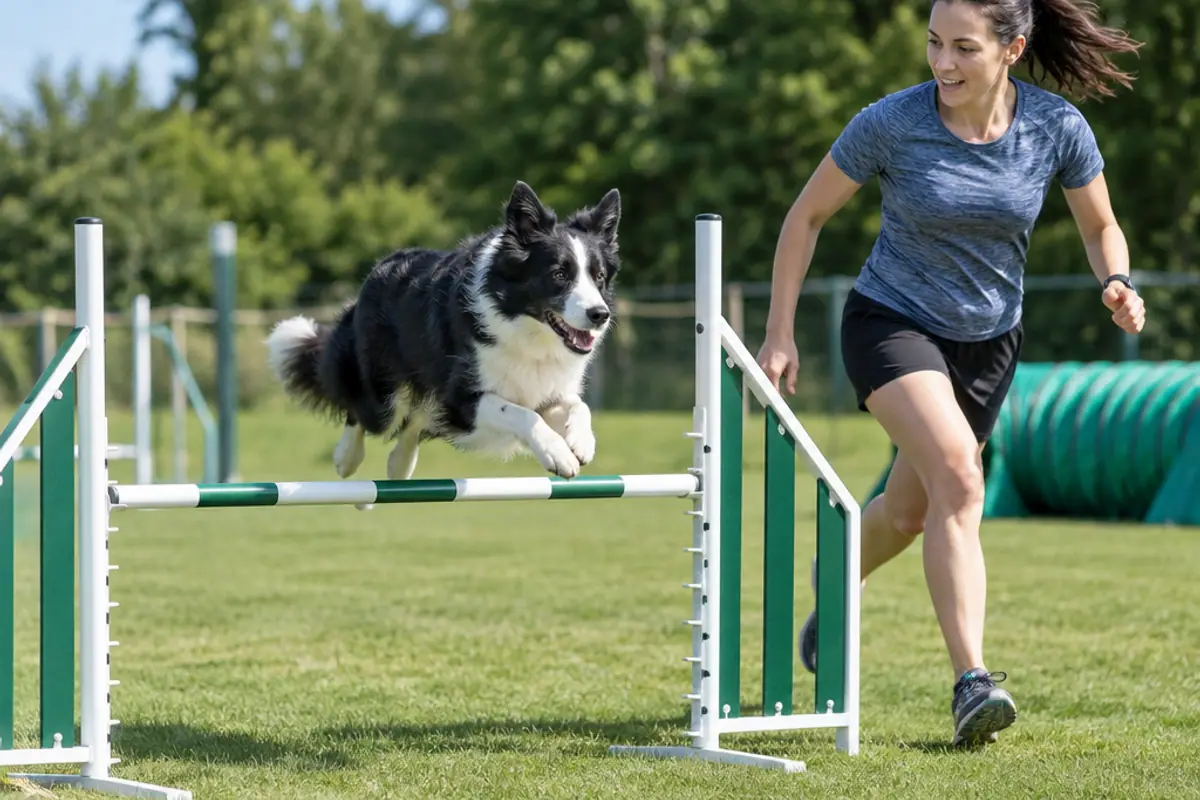
- Structured classes — agility, scent work
- Sniff walks in quiet areas