Temperament
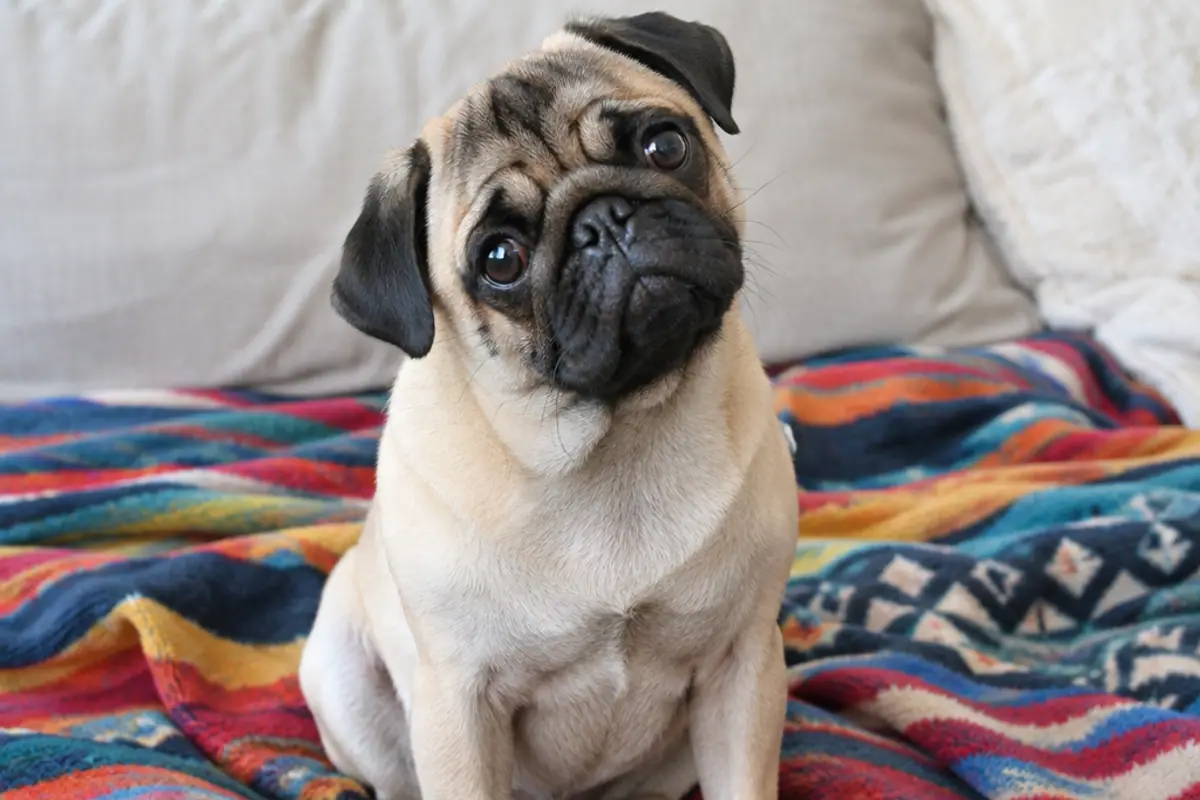
Pugs are sociable, playful and deeply attached to their people. They're generally good with kids and other pets and love attention.
Exercise and energy
Short walks and play — 30–45 minutes a day — in cool weather. Pugs overheat very easily and must not be over-exercised.
Grooming
Surprisingly heavy shedders. Brush weekly and clean facial wrinkles regularly to prevent infections.
Training
Pugs are eager for treats but can be stubborn. Keep sessions short and positive. Watch portions — Pugs gain weight easily, which worsens breathing.
Health
Pugs are prone to breathing problems (BOAS), heat stroke, eye injuries and ulcers, skin fold infections, obesity, spinal problems and pug dog encephalitis. Choose a breeder who prioritizes breathing health, and consider pet insurance.
Is the Pug right for you?
✅ A great match if you…
- Want a funny, affectionate companion
- Live in an apartment
- Have kids or are a senior
- Want modest exercise needs
⛔ Think twice if you…
- Live in a hot climate without A/C
- Mind shedding — Pugs shed a lot
- Want an athletic dog
- Can't budget for health problems
Breed traits are general tendencies, not guarantees. Health information is a summary of issues commonly reported in the breed — ask breeders for health-testing results and discuss screening with your veterinarian. Weights and heights are typical adult ranges and vary by line and sex.