Key takeaways
- Choose brushing frequency and tools based on coat type, not size.
- Double-coated dogs shed heavily twice a year — an undercoat rake helps.
- Never shave a double coat unless your vet advises it — it protects against heat and sun.
- Mats are painful. Low-shedding coats need brushing down to the skin and regular professional grooming.
Regular brushing keeps your dog's coat healthy, spreads natural oils, reduces shedding around the house and gives you a chance to check for lumps, parasites and skin problems. It's also great bonding time.
Know your dog's coat type
| Coat type | Examples | Brush how often | Best tools |
|---|---|---|---|
| Short, smooth | Beagle, Boxer, Boston Terrier, Greyhound | Weekly | Rubber curry brush, bristle brush |
| Short double | Labrador, Pug, Corgi | 1–2× weekly, daily when shedding | Rubber brush, undercoat rake or deshedding tool |
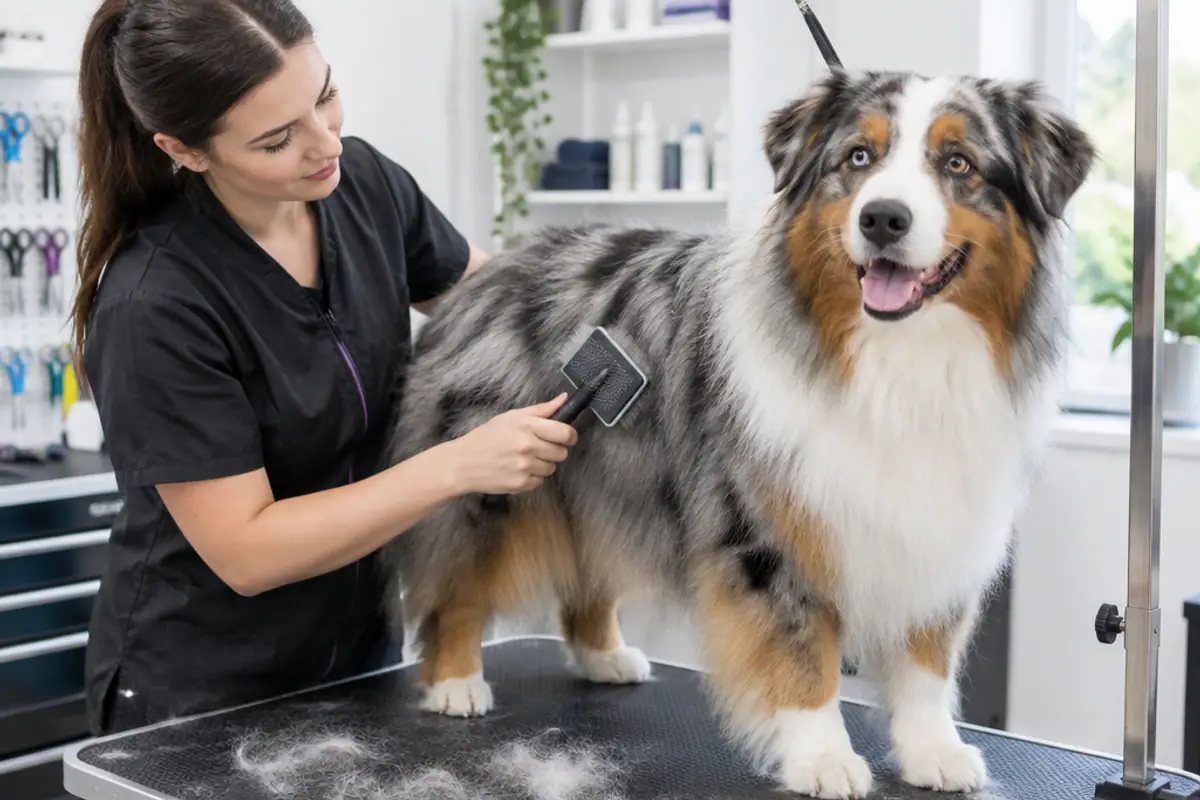
| Medium/long double | Golden Retriever, German Shepherd, Husky, Aussie | 2–3× weekly, daily when shedding | Slicker brush, undercoat rake, metal comb |
| Silky | Cavalier, Cocker Spaniel, Yorkie, Maltese | 3× weekly to daily | Pin brush, slicker brush, metal comb |
| Curly / continuously growing | Poodle, Bichon, Doodles | Several times weekly to daily | Slicker brush, metal comb; professional clips |
| Wire | Schnauzer, many terriers | 1–2× weekly | Slicker brush, comb; hand-stripping or clipping |
How to brush properly
- Start with short, positive sessions. A few minutes with treats is better than a wrestling match.
- Brush in the direction of hair growth, section by section.
- Line brushing for long and curly coats: part the hair and brush from the skin outward, working in layers. This is how you find hidden mats.
- Finish with a metal comb. If the comb glides through to the skin everywhere, you're done.
- Pay attention to friction areas: behind the ears, armpits, collar area, "pants" and tail.
Pair grooming with something your dog loves — a lick mat with a bit of xylitol-free peanut butter or plain yogurt stuck to the wall or floor keeps many dogs happily busy.
Dealing with shedding
- All dogs shed to some extent; double-coated dogs "blow" their undercoat, usually in spring and fall.
- Brush more often during heavy shedding — daily if needed.
- A bath followed by a blow-dry (on a cool setting) helps release loose undercoat.
- A healthy diet supports a healthy coat. Sudden or patchy hair loss, bald spots or itching need a vet check.
Why you shouldn't shave double coats
The undercoat insulates against both cold and heat, and the outer guard hairs protect the skin from sunburn. Shaving can damage hair follicles so the coat grows back patchy or woolly, and doesn't make dogs cooler. Exceptions are made for medical reasons or severe matting — follow your vet's or groomer's advice.
Mats
Mats are tight clumps of tangled hair. They pull on the skin, trap moisture and can hide sores. Small mats can be gently worked apart with fingers, a comb and a detangling spray. Don't cut mats with scissors — it's very easy to cut skin. Severe matting needs a professional groomer, who may need to shave the coat short and start fresh.
Professional grooming
Dogs with continuously growing coats (Poodles, Bichons, Doodles, Shih Tzus) typically need a professional groom every 4–8 weeks. A groom usually includes bath, blow-dry, haircut, nail trim, ear cleaning and sanitary trim. Prices usually range from about $50–$120+ depending on size, coat condition and location.
Choosing a groomer
- Ask about handling of anxious dogs and whether they use cage dryers (heated cage dryers carry heat-stroke risk; ask how they monitor dogs).
- Look for a clean, calm salon, and ask about certifications and experience with your breed.
- Start puppies early with short "intro" visits.
Haircut styles
- Puppy cut / teddy bear cut: short and even all over — easy care for Poodles, Doodles, Shih Tzus, Havanese.
- Breed trim: the traditional look for the breed (e.g., Schnauzer beard and eyebrows).
- Sanitary trim: hair around the rear end and belly trimmed short for hygiene.
- Face and feet tidy: trimming around eyes and paw pads between full grooms.
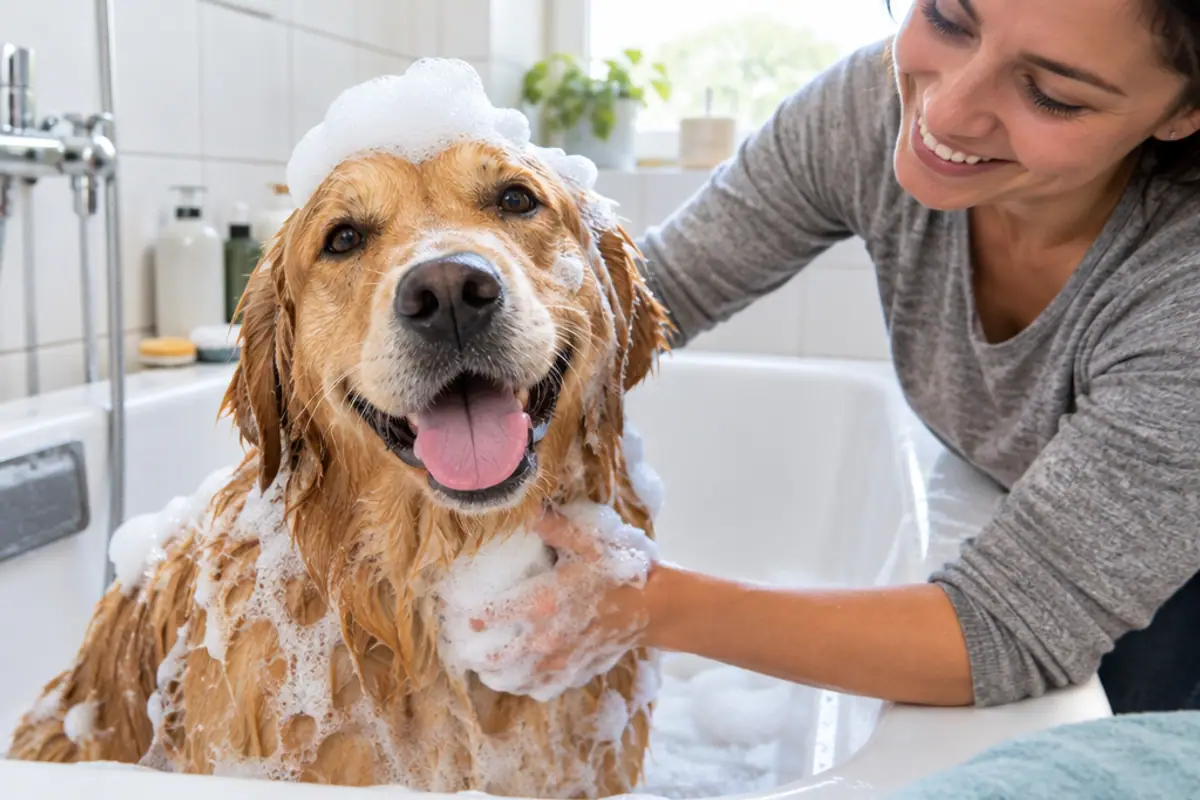
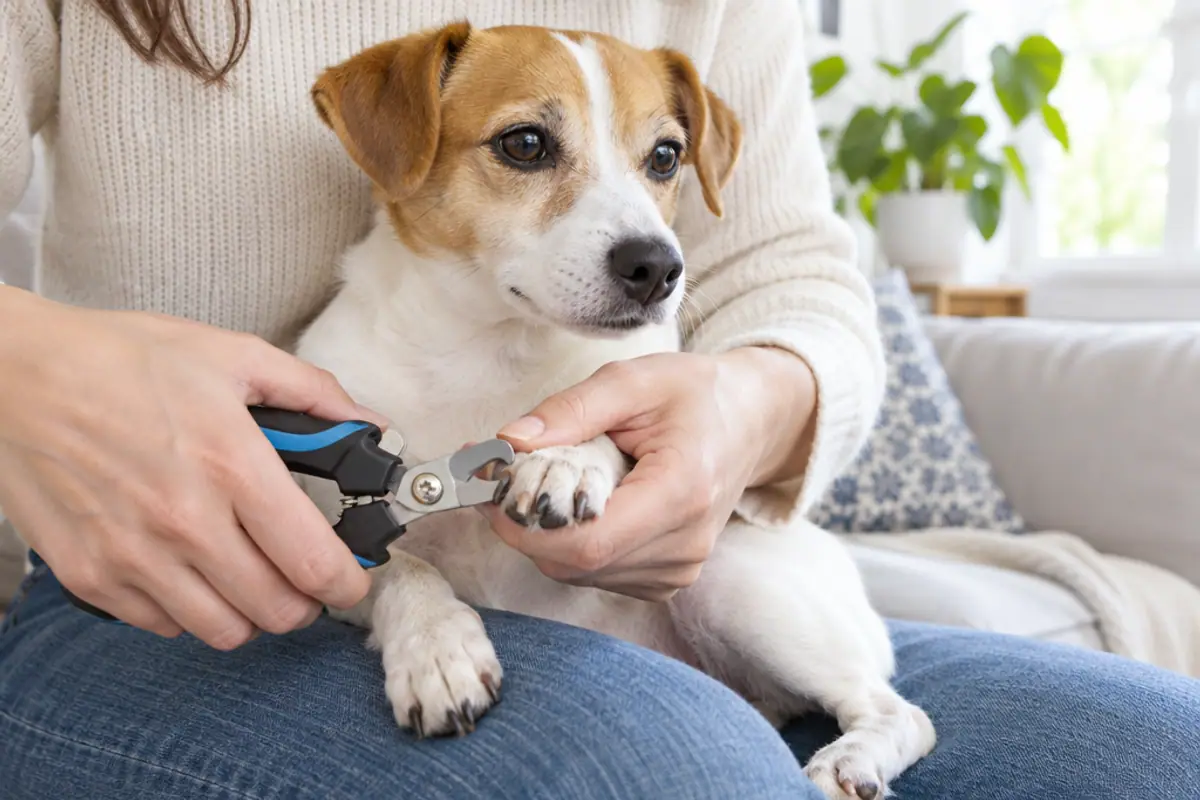
See also: bathing your dog and nails, ears, teeth and eyes.