Key takeaways
- A responsible breeder health-tests the parents, lets you meet the mother, and asks you questions too.
- Pet stores, "many breeds available" websites and parking-lot handovers are classic puppy mill red flags.
- Never send money for a puppy you haven't seen in person or on a live video call — puppy scams are common.
- A good breeder offers a written contract and will always take the dog back.
If you've decided on a specific breed and want a puppy, finding a responsible breeder is the most important step you'll take. Good breeding improves your chances of a healthy, well-adjusted dog. Bad breeding can mean years of vet bills and behavior problems.
What a responsible breeder looks like
- Focuses on one or two breeds and knows them deeply.
- Health-tests the parents for problems common in the breed and shows you the results.
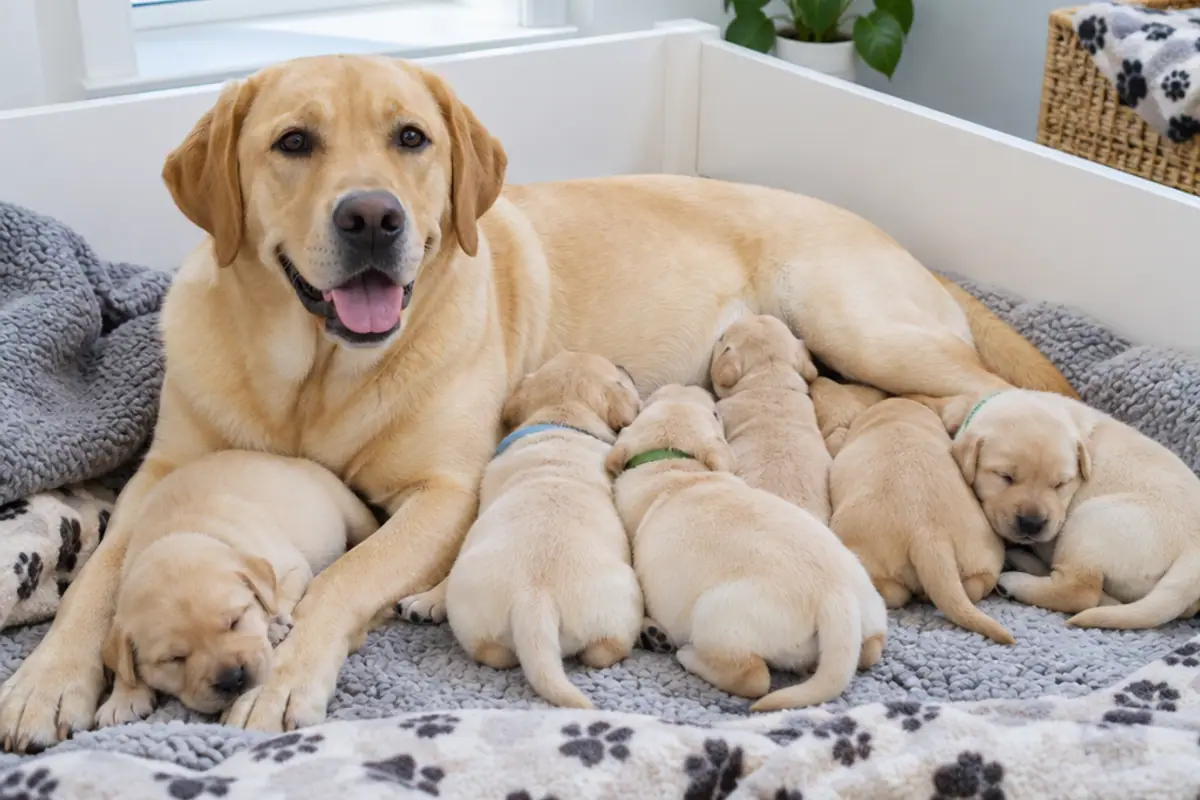
- Raises puppies in the home or a clean, enriching environment, with lots of handling and early socialization.
- Lets you meet the mother (and often the father, or provides information about him).
- Doesn't always have puppies available. Many have a waiting list.
- Asks you lots of questions about your home, schedule and experience.
- Keeps puppies until at least 8 weeks old.
- Provides a written contract with a health guarantee and a clause that they will take the dog back at any age.
- Gives you records: vaccinations, deworming, vet check, microchip and registration papers.
- Stays in touch and answers questions for the dog's whole life.
Health tests to ask about
Health tests vary by breed. For many breeds you can look up recommended tests through the breed's national club or health databases such as the Orthopedic Foundation for Animals (OFA) in the U.S. Common examples:
| Breed type | Typical tests |
|---|---|
| Large breeds (Labs, Goldens, Shepherds) | Hips and elbows (OFA or PennHIP), eye exam, relevant DNA tests |
| Cavalier King Charles Spaniel | Heart (cardiologist exam), eyes, hips, MRI screening in some programs |
| Poodles | Hips, eyes, DNA tests for specific conditions |
| Flat-faced breeds | Breathing assessments in some countries, spine and eye checks |
"The vet checked the parents" is not the same as health testing. Ask for official certificates or database results for both parents, and look them up yourself.
Questions to ask a breeder
- What health tests have the parents had? May I see the results?
- Can I meet the mother? What are the parents' temperaments like?
- How often do you breed your dogs, and at what age?
- Where are the puppies raised? How are they socialized?
- What do you feed them, and what vaccinations and deworming will they have had?
- What does your contract include? Will you take the dog back if I can't keep it?
- Can you give me references from previous puppy buyers?
- What health problems have you seen in your lines?
A good breeder will answer openly — and will probably have questions of their own for you.
Red flags: signs of a puppy mill or backyard breeder
- Many different breeds for sale, or "designer" mixes of every kind
- Puppies always available, or sold before 8 weeks old
- Won't let you visit or meet the mother; offers to meet in a parking lot or deliver
- No health-test results, or vague claims like "vet checked" or "healthy lines"
- Pressure to decide quickly or pay a deposit immediately
- Prices well below the norm for the breed
- Sells through pet stores or classified ads
- Asks you no questions at all
Nearly all pet-store puppies come from commercial breeding facilities. Even if a store says "we only use USDA-licensed breeders," that license covers minimum welfare standards, not responsible breeding.
Avoid online puppy scams
Scammers post stolen photos of adorable puppies and ask for payment by gift card, wire transfer or payment app. Then come "shipping fees," "insurance" or "vaccination fees" — and no puppy ever arrives.
Protect yourself:
- Visit in person whenever possible, or at minimum do a live video call showing the puppy and mother.
- Reverse-image-search photos to check if they appear elsewhere.
- Never pay with gift cards, wire transfers or crypto.
- Be suspicious of prices far below normal.
- Confirm the breeder is known to the breed's national club.
Where to find good breeders
- The national breed club for your breed (most keep a breeder referral list).
- Kennel club marketplaces — but still vet every breeder yourself; being listed is not a guarantee of quality.
- Dog shows and breed events — talk to owners and breeders in person.
- Recommendations from veterinarians and trainers.
Consider a breed rescue too
If you love a breed but aren't set on a puppy, look for a breed-specific rescue. See how to adopt from a shelter.
Frequently asked questions
Does AKC registration mean a breeder is good?
No. Registration papers only show that a puppy's parents were registered as the same breed. They say nothing about health testing, temperament or how the puppy was raised.
How long do good breeders' waiting lists last?
It varies from a few weeks to a year or more, depending on the breed and breeder. A waiting list is usually a good sign — it means the breeder breeds only occasionally and plans litters carefully.